Wedding Mini Foods Guide- Bite Sized Delights For Your Big Day
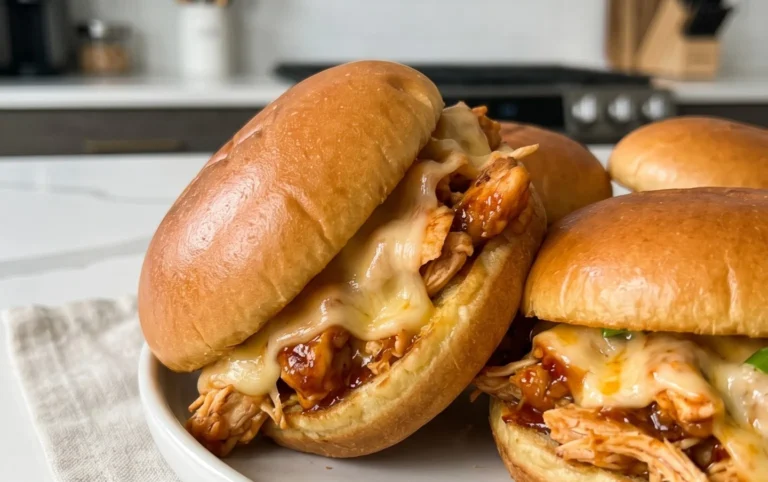
Mini Foods for Weddings, a Mini Guide to Serving Miniature Food, unlocks a world of delightful possibilities for your special day. Imagin extracte your guests’ faces lighting up as they discover exquisitely crafted, bite-sized versions of their favorite dishes. This isn’t just about novelty; miniature food elevates the wedding dining experience, offering an elegant and interactive way to celebrate. People adore miniature food for weddings because it evokes a sense of playful sophistication. It allows for a greater variety of flavors and textures to be sampled, turning your reception into a culinary adventure. What truly makes this approach special is the attention to detail and the joy it brings. From tiny gourmet sliders to petite dessert creations, each morsel is a testament to thoughtful planning and a desire to create unforgettable memories. This guide will explore the charming and delicious realm of Mini Foods for Weddings, ensuring your celebration is as unique and memorable as your love story.
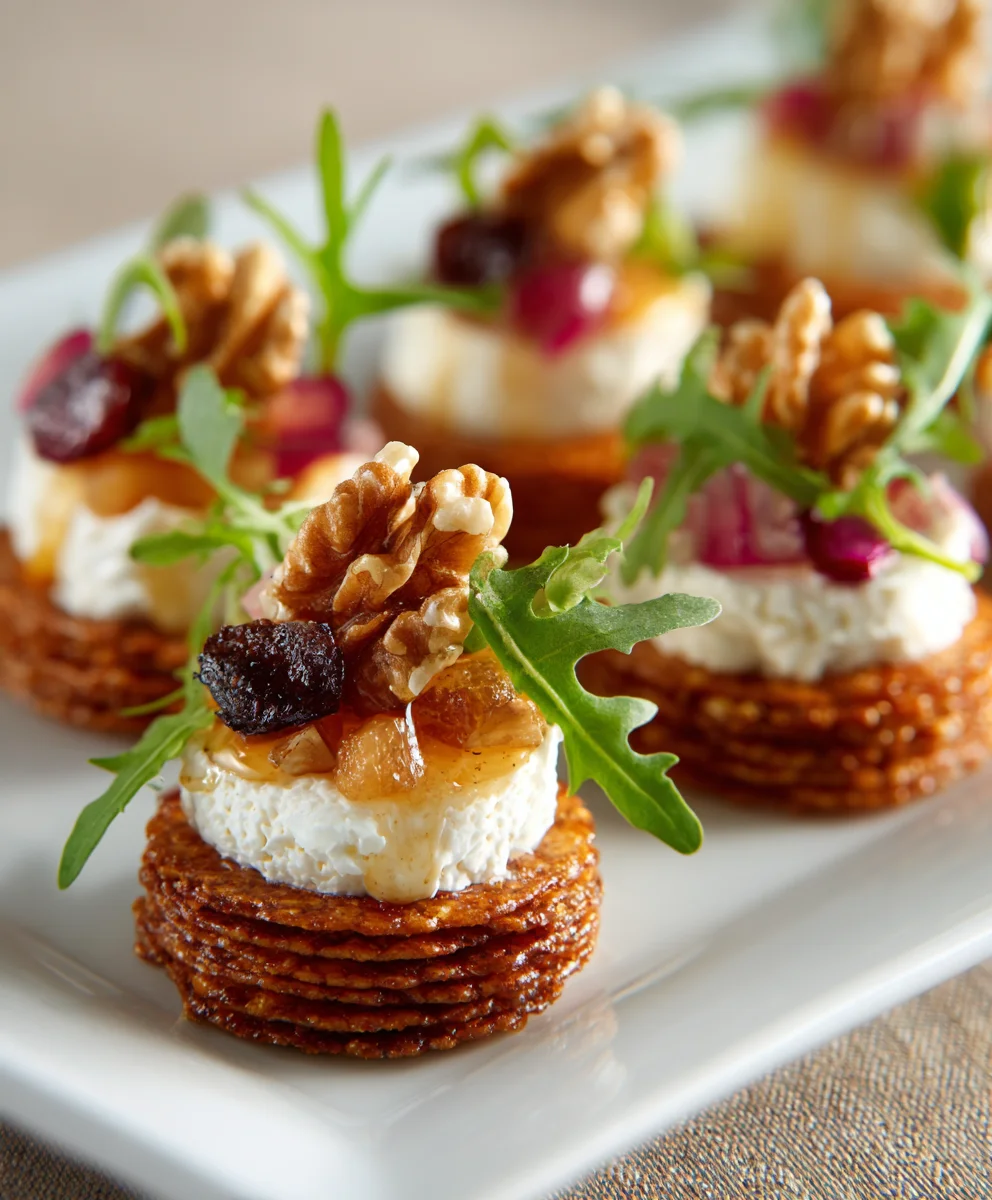
Ingredients:
- 1 cup all-purpose flour
- 1/2 teaspoon baking powder
- 1/4 teaspoon salt
- 1/4 cup unsalted butter, softened
- 1/4 cup granulated sugar
- 1 large egg
- 1 teaspoon vanilla extract
- 1/4 cup milk
- Assorted mini cookie cutters (various shapes like hearts, stars, rings)
- Piping bags and small piping tips
- Assorted food coloring (gel colors work best for vibrant hues)
- Powdered sugar for dusting (optional)
- Edible glitter or sprinkles (optional)
Miniature Wedding Cookies: A Detailed Guide
Creating miniature food for weddings adds a charming and elegant touch, allowing guests to sample a variety of delectable bites. These miniature wedding cookies are not only adorable but also surprisingly simple to make, perfect for a DIY bridal shower or a special treat for your wedding reception. The key to success is meticulous preparation and a touch of creativity. We’ll focus on crafting delicate sugar cookies that can be adorned to match any wedding theme.
Phase 1: Dough Preparation
This is where the foundation of our miniature masterpieces is laid. Precision in measuring and mixing will ensure a dough that is easy to handle and bakes up beautifully.
- In a medium bowl, whisk together the all-purpose flour, baking powder, and salt. This dry mixture provides the structure for our cookies. Ensure these ingredients are well combined to distribute the leavening agent and salt evenly, preventing any pockets of bitterness or uneven rise.
- In a separate, larger bowl, cream together the softened unsalted butter and granulated sugar until the mixture is light and fluffy. This creaming process incorporates air into the butter and sugar, which contributes to the cookie’s tender texture and helps it spread slightly during baking. It’s important that the butter is softened, not melted, to achieve the proper consistency.
- Beat in the large egg and vanilla extract until thoroughly combined. The egg acts as a binder, holding the dough together, while the vanilla extract imparts a classic, comforting flavor that complements the sweetness of the sugar.
- Gradually add the dry ingredients to the wet ingredients, alternating with the milk, begin extractning and ending with the dry ingredients. Mix on low speed until just combined. Be careful not to overmix the dough at this stage, as this can develop the gluten in the flour, resulting in tougher cookies. We want a tender crum extractb for our delicate miniatures. The dough should be soft but not sticky. If it feels too sticky, you can add a tablespoon more flour, but err on the side of caution.
Phase 2: Chilling and Rolling
Chilling the dough is a crucial step for miniature cookies. It firms up the butter, making the dough easier to roll and cut without excessive spreading during baking.
- Divide the dough in half, flatten each half into a disc, wrap tightly in plastic wrap, and refrigerate for at least 1 hour, or until firm. This chilling period allows the gluten to relax and the fat to solidify, which is essential for clean cuts and minimal distortion when baking small cookies. Cold dough is much easier to roll out thinly and precisely.
- Once the dough is well chilled, work with one disc at a time, keeping the other in the refrigerator. Lightly flour a clean surface and a rolling pin. Roll out the dough to about 1/8-inch thickness. For miniature cookies, a thinner dough is often preferred as it creates more delicate and manageable pieces. If you find the dough is sticking, dust your rolling pin and the surface with a little more flour, but avoid using too much, as this can make the cookies dry.
- Using your assorted mini cookie cutters, cut out shapes from the rolled dough. Work quickly to keep the dough as cool as possible. Re-roll scraps gently as needed, but try to minimize handling to maintain tenderness. Place the cut-out cookies onto parchment-lined baking sheets, leaving about 1 inch between them. This spacing is important to allow for slight expansion during baking.
Phase 3: Baking and Decorating
This is where your miniature cookies transform into edible works of art, ready to impress your wedding guests.
- Preheat your oven to 350°F (175°C). Bake the miniature cookies for 8-10 minutes, or until the edges are lightly golden brown. The baking time will vary depending on the size and thickness of your cookies. Keep a close eye on them, as miniature cookies can go from perfectly baked to burnt very quickly. They should feel firm to the touch when done.
- Let the cookies cool on the baking sheets for a few minutes before transferring them to a wire rack to cool completely. It’s vital that the cookies are completely cool beforgin extractou begin decorating. Attempting to decorate warm cookies will result in melted icing and a sticky mess.
- While the cookies are cooling, prepare your decorating icing. In separate small bowls, mix together powdered sugar with a few drops of milk or water until you achieve a smooth, thick consistency that can hold its shape when piped. Divide the icing into as many bowls as you want colors. Add gel food coloring to each bowl, a tiny amount at a time, until you reach your desired wedding pnon-alcoholic alette. Gel colors are concentrated and won’t thin out your icing as much as liquid colors.
- Transfer each colored icing into a piping bag fitted with a small piping tip. You can use various tips to create different effects, like stars, dots, or fine lines. If you don’t have piping bags and tips, you can use zip-top bags with a small corner snipped off. Get creative with your designs! You can outline the cookies, fill them in with solid colors, pipe delicate floral patterns, or even write tiny initials. For an extra touch of sparkle, dust with edible glitter or sprinkles while the icing is still wet.
- Allow the decorated cookies to dry completely. This can take several hours depending on the humidity and the thickness of the icing. Once dry, you can carefully arrange them on platters or in elegant boxes for your wedding event. For a truly professional finish, consider a light dusting of powdered sugar over the entire platgin extract before arranging the cookies for a soft, snowy effect.

Conclusion:
We hope this guide, Mini Foods for Weddings, A Mini Guide to Serving Miniature Food, has inspired you to consider the delightful world of miniature catering for your special day. As we’ve explored, small bites can make a huge impact, offering guests a diverse and interactive culinary experience. From elegant canapés to playful desserts, the possibilities are truly endless. Remember to tailor your selections to your wedding’s theme and your personal preferences. Don’t be afraid to experiment with flavors and presentations; the miniature format lends itself beautifully to creativity!
Serving these delightful morsels will undoubtedly create memorable moments for your guests. Consider pairing them with a signature cocktail or a curated grape juice selection. For a more interactive approach, set up a dedicated miniature food station. The beauty of these mini delights is their versatility; they can be served as passed appetizers, part of a buffet, or even as a charming dessert bar. We encourage you to embrace the charm and sophistication that miniature food brings to any celebration!
Frequently Asked Questions:
Q1: How far in advance can miniature food items be prepared for a wedding?
The preparation timeline for miniature food items varies greatly depending on the specific dish. Some items, like certain pastry shells or cookie bases, can be made a day or two in advance and assembled closer to the event. Others, particularly those with fresh delicate ingredients, are best prepared on the day of the wedding. It’s crucial to communicate with your caterer about the optimal preparation schedule for each item to ensure freshness and quality.
Q2: What are some popular miniature food trends for weddings?
Currently, popular trends include gourmet sliders, mini tacos with diverse fillings, elegant sushi rolls, bite-sized fruit tarts, and even miniature versions of comfort food classics like mac and cheese cups. There’s also a growing interest in plant-based and gluten-free miniature options to cater to all dietary needs and preferences.
Miniature Wedding Sugar Cookies
Adorable and elegant bite-sized sugar cookies perfect for weddings, easily customizable to match any theme.
Ingredients
-
1 cup all-purpose flour
-
1/2 teaspoon baking powder
-
1/4 teaspoon salt
-
1/4 cup unsalted butter, softened
-
1/4 cup granulated sugar
-
1 large egg
-
1 teaspoon vanilla extract
-
1/4 cup milk
-
Assorted mini cookie cutters
-
Piping bags and small piping tips
-
Assorted food coloring
-
Powdered sugar for dusting (optional)
-
Edible glitter or sprinkles (optional)
Instructions
-
Step 1
In a medium bowl, whisk together the all-purpose flour, baking powder, and salt. In a separate large bowl, cream together the softened unsalted butter and granulated sugar until light and fluffy. Beat in the large egg and vanilla extract. Gradually add the dry ingredients to the wet ingredients, alternating with the milk, until just combined. Do not overmix. -
Step 2
Divide the dough in half, flatten each half into a disc, wrap tightly in plastic wrap, and refrigerate for at least 1 hour, or until firm. This chilling period is crucial for easy handling and minimal spreading. -
Step 3
On a lightly floured surface, roll out one disc of dough to about 1/8-inch thickness. Using assorted mini cookie cutters, cut out shapes. Place the cut-out cookies onto parchment-lined baking sheets, leaving about 1 inch between them. -
Step 4
Preheat your oven to 350°F (175°C). Bake for 8-10 minutes, or until the edges are lightly golden brown. Let cool on baking sheets for a few minutes before transferring to a wire rack to cool completely. -
Step 5
Prepare decorating icing by mixing powdered sugar with a few drops of milk or water to a thick consistency. Divide into bowls and add gel food coloring for desired hues. Transfer icing to piping bags fitted with small tips. -
Step 6
Decorate the cooled cookies as desired. Pipe patterns, outlines, or fillings. Add edible glitter or sprinkles while the icing is wet. Allow the decorated cookies to dry completely.
Important Information
Nutrition Facts (Per Serving)
It is important to consider this information as approximate and not to use it as definitive health advice.
Allergy Information
Please check ingredients for potential allergens and consult a health professional if in doubt.