Dairy-Free Pesto Recipe- Easy & Delicious Flavor
Dairy Free Pesto is about to become your new kitchen obsession. I know, I know, the thought of pesto without that creamy, nutty Parmesan might seem like a culinary compromise, but trust me, this recipe shatters that notion. We’re talking about a vibrant, herbaceous sauce that bursts with fresh basil, garlic, and the subtle richness of pine nuts – all the classic flavors you adore, just reimagin extracted for a dairy-free lifestyle.
Why do we all love pesto so much? It’s that incredibly versatile magic that can elevate pasta dishes, serve as a delicious dip, or even become the star of a sandwich spread. What makes this dairy free pesto truly special is its ability to deliver all that glorious flavor without the dairy, making it accessible for everyone and surprisingly adaptable. Get ready to experience pesto perfection, minus the cheese!
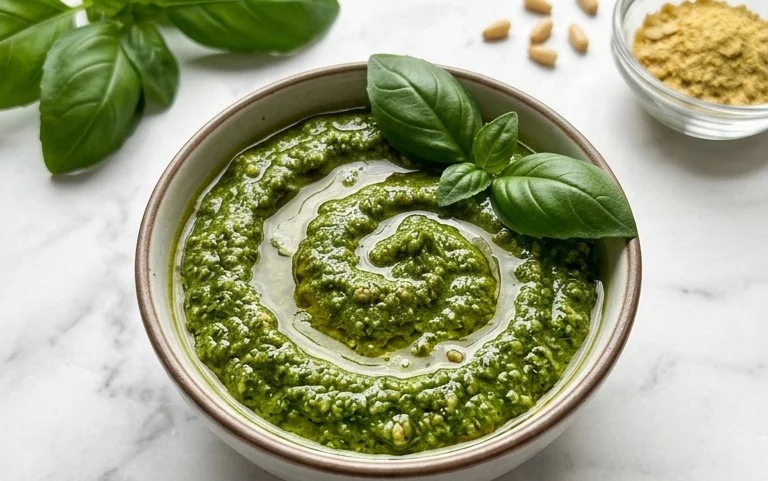
Dairy Free Pesto
Pesto is one of those magical sauces that can transform a simple dish into something truly special. Traditionally, pesto is made with Parmesan cheese, which, while delicious, makes it a no-go for those of us avoiding dairy. But fear not! Creating a vibrant, flavorful, and completely dairy-free pesto is remarkably easy and requires just a few simple ingredients. This recipe will guide you through making a fantastic dairy-free pesto that’s perfect for pasta, spreading on sandwiches, drizzling over roasted vegetables, or even as a dip. The key to its richness and savory depth, without the cheese, lies in the nutritional yeast. If you haven’t cooked with nutritional yeast before, think of it as a deactivated yeast that has a wonderfully nutty, cheesy, umami flavor. It’s a staple in many vegan and dairy-free kitchens for precisely this reason.
The beauty of homemade pesto is its freshness and the ability to customize it to your liking. We’ll be using fresh basil as our base, which provides that classic, aromatic essence. The addition of lemon juice brightens everything up, while pine nuts offer a creamy texture and subtle sweetness. Garlic adds a pungent kick, and good quality olive oil binds it all together. Don’t be afraid to adjust the quantities of these ingredients to suit your personal taste. If you love garlic, add another clove! Prefer it zestier? A little more lemon juice will do the trick. This recipe is a starting point, a canvas for your culinary creativity.
Ingredients:
Cooking Instructions:
Step 1: Prepare Your Basil and Nuts
Begin extract by thoroughly washing and drying your fresh basil leaves. Excess water can make your pesto watery, so ensure they are as dry as possible. A salad spinner works wonders for this. Gently remove the leaves from the stems. While some recipes might call for the tender stems, sticking to just the leaves will give you the smoothest and most vibrant pesto. If you’re using pine nuts, you can lightly toast them in a dry skillet over medium heat for a few minutes until they are fragrant and lightly golden. This step is optional but highly recommended as it deepens their flavor and adds a delightful crunch. Keep a close eye on them as they can burn quickly. If you’re using walnuts or pumpkin seeds, toasting is also a good idea.
Step 2: Combine the Solid Ingredients
In the bowl of a food processor or a high-powered blender, combine the prepared basil leaves, toasted pine nuts (or your chosen alternative), and the peeled garlic cloves. If you’re using a food processor, you might need to pulse a few times to break down the larger ingredients before adding the liquids. Don’t overcrowd the processor; if your basil isn’t fitting, you can add it in batches. The goal here is to start breaking down these ingredients into a coarse paste. This initial pulse helps create a good foundation for the emulsification process to come.
Step 3: Add the Liquids and Seasonings
Once the basil, nuts, and garlic have been pulsed into a somewhat granular mixture, it’s time to add the liquid components and seasonings. Pour in the fresh lemon juice and the extra virgin extract olive oil. Sprinkle in the salt. If you’re using the nutritional yeast, add it now as well. The olive oil will act as an emulsifier, helping to bind all the ingredients together into a smooth, cohesive sauce. The lemon juice will add a crucial brightness that cuts through the richness of the oil and nuts, preventing the pesto from tasting heavy.
Step 4: Process Until Smooth (or to your desired consistency)
Now, process the mixture until it reaches your desired consistency. For a chunkier pesto, pulse intermittently, scraping down the sides of the food processor as needed. For a smoother, more traditional pesto, process continuously until the sauce is creamy and well combined. You might need to stop and scrape down the sides of the bowl a few times to ensure everything is incorporated evenly. If the pesto seems too thick for your liking, you can drizzle in a little more olive oil, a tablespoon at a time, while the processor is running, until you achieve the perfect texture. Taste and adjust seasonings – you might want a little more salt, or perhaps a touch more lemon juice for extra zing.
Step 5: Store and Serve Your Delicious Dairy-Free Pesto
Once your dairy-free pesto is made, it’s ready to be enjoyed immediately, or stored for later use. Transfer the pesto to an airtight container. To prevent browning and preserve its vibrant green color, it’s a good idea to pour a thin layer of olive oil over the surface of the pesto before sealing the container. This creates a barrier against air. You can store your homemade pesto in the refrigerator for up to a week. For longer storage, you can freeze it. Portion it into ice cube trays, and once frozen, transfer the pesto cubes to a freezer-safe bag. This makes it easy to thaw and use just the amount you need.
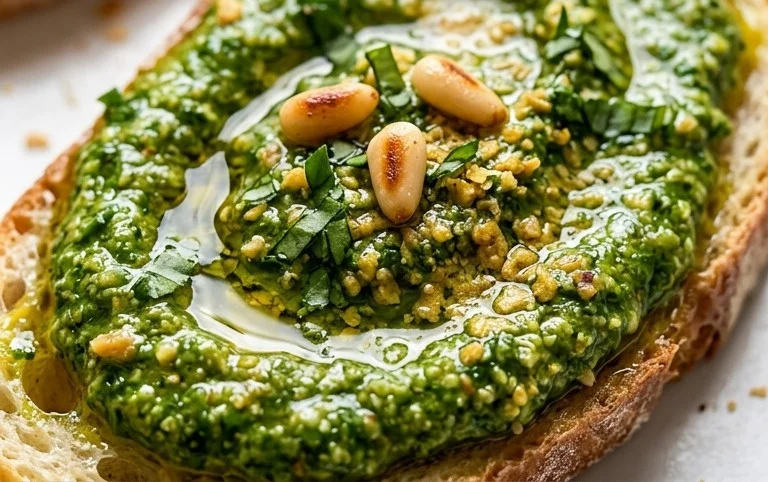
This dairy-free pesto is incredibly versatile. Toss it with your favorite pasta, use it as a spread on crusty bread or in sandwiches, mix it with grains like quinoa or farro, or dollop it onto roasted vegetables like zucchini, asparagus, or potatoes. It’s also fantastic with grilled chicken or fish. The flavor is so robust and fresh, you won’t even miss the dairy. Enjoy the vibrant taste of this homemade delight!
Conclusion:
There you have it – a delicious and vibrant dairy free pesto recipe that’s incredibly versatile! This recipe is fantastic because it captures all the bright, herby goodness of traditional pesto without any dairy, making it accessible for a wider range of diets and preferences. It’s surprisingly easy to whip up and offers a burst of fresh flavor that can elevate so many dishes. I truly encourage you to give this dairy free pesto a try; you might just find it becomes a staple in your kitchen!
Think of all the ways you can enjoy it! Toss it with your favorite pasta, spread it on sandwiches and wraps, use it as a dip for vegetables, swirl it into soups, or brush it onto grilled chicken or fish. The possibilities are nearly endless, and each application will be a delightful explosion of taste. Don’t be afraid to experiment with the herbs and nuts – that’s where the real fun begin extracts!
Frequently Asked Questions:
Can I make this dairy free pesto ahead of time?
Absolutely! This dairy free pesto stores beautifully in an airtight container in the refrigerator for up to a week. You can also freeze it in an ice cube tray and transfer the cubes to a freezer bag for even longer storage.
What kind of nuts can I use instead of pine nuts?
Pine nuts are traditional, but feel free to get creative! Walnuts, almonds, or even sunflower seeds make excellent substitutes for a slightly different flavor profile and texture. Just make sure they are raw and unsalted for the best results.
How can I make this pesto nut-free?
For a nut-free version, simply omit the nuts entirely or substitute with roasted sunflower seeds or pumpkin seeds. This will still yield a wonderfully flavorful and herb-forward dairy free pesto.
Dairy Free Pesto
A vibrant and flavorful dairy-free pesto recipe, perfect for pasta, sandwiches, and dips. Uses fresh basil, pine nuts, garlic, lemon juice, and olive oil, with optional nutritional yeast for a cheesy flavor.
Ingredients
-
3 cups basil
-
1/2 lemon (juiced)
-
1/2 cup pine nuts
-
2 cloves garlic
-
1/4 cup olive oil
-
1/2 tsp salt
-
2 tbsp nutritional yeast
Instructions
-
Step 1
Combine basil, pine nuts, garlic, lemon juice, salt, and nutritional yeast (if using) in a food processor. -
Step 2
Pulse until ingredients are finely chopped. -
Step 3
With the food processor running, slowly drizzle in the olive oil until the pesto is smooth and well combined. -
Step 4
Taste and adjust seasoning if necessary, adding more salt or lemon juice. -
Step 5
Transfer the pesto to a clean jar or airtight container. -
Step 6
Store in the refrigerator for up to a week. For longer storage, freeze in an ice cube tray or small containers.
Important Information
Nutrition Facts (Per Serving)
It is important to consider this information as approximate and not to use it as definitive health advice.
Allergy Information
Please check ingredients for potential allergens and consult a health professional if in doubt.