Best White Bread From Scratch-Easy Homemade Recipe
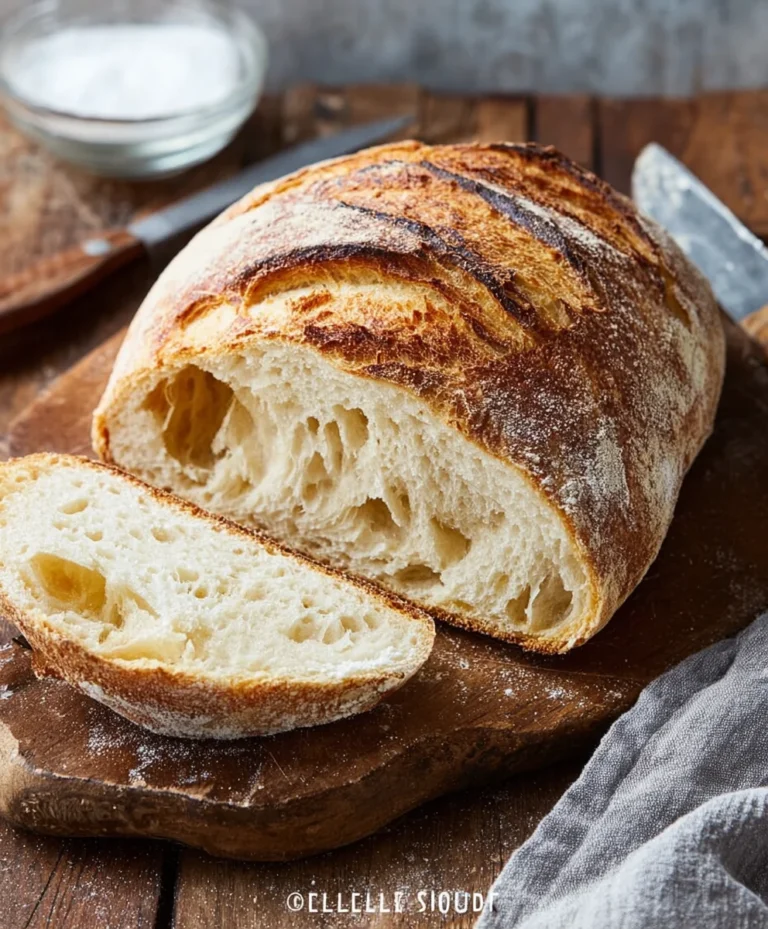
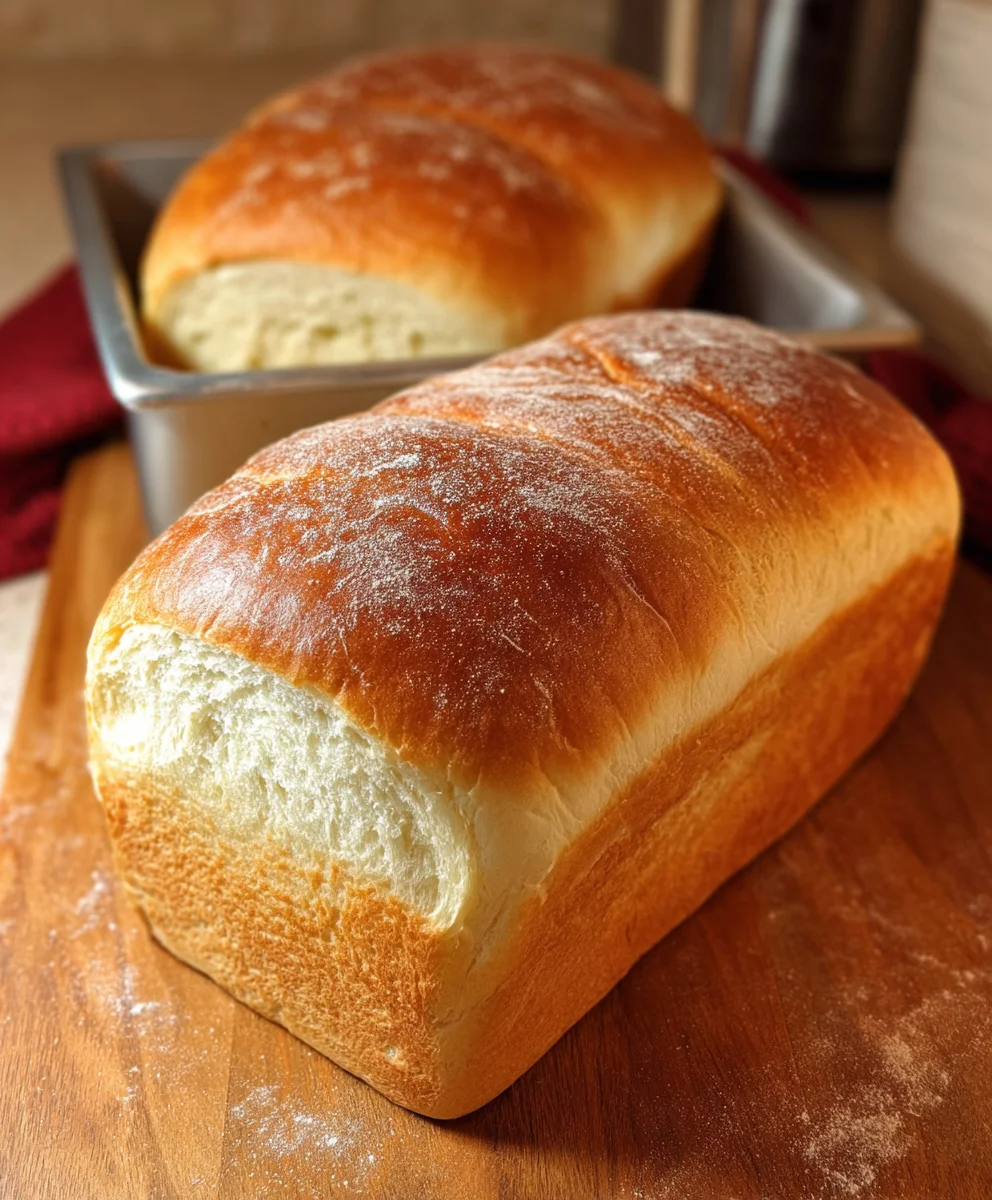
The Best White Bread from Scratch is more than just a recipe; it’s an invitation to experience the pure joy of baking. There’s a primal satisfaction in transforming simple ingredients – flour, yeast, water, and salt – into a warm, fragrant loaf that fills your kitchen with an irresistible aroma. This isn’t just any bread; it’s the kind that evokes childhood memories, that begs to be slathered with butter, and that forms the perfect foundation for your favorite sandwiches. What makes this particular version of The Best White Bread from Scratch so special? It’s the meticulous balance of textures and flavors, resulting in a crust that’s delicately crisp and an interior that’s impossibly soft and airy. Forget store-bought; this is the artisanal quality you can achieve right in your own home, a testament to the magic of patience and a few key techniques that I’m thrilled to share with you today.
Ingredients:
- 2 cups warm water (about 105-115°F)
- 1/4 cup granulated sugar
- 5 cups all-purpose flour, plus more for dusting
- 2 teaspoons active dry yeast
- 2 teaspoons salt
- 3 tablespoons unsalted butter, softened
Preparing the Dough
Activating the Yeast
The first crucial step to achieving the best white bread from scratch is to properly activate your yeast. In a large mixing bowl or the bowl of your stand mixer, combine the 2 cups of warm water and 1/4 cup of granulated sugar. The water should feel pleasantly warm to the touch, similar to a baby’s bath – too hot and you’ll kill the yeast, too cold and it won’t activate properly. Stir gently to dissolve the sugar. Sprinkle the 2 teaspoons of active dry yeast over the surface of the water. Let this mixture stand undisturbed for about 5 to 10 minutes. You’ll know the yeast is alive and ready when it becomes foamy and bubbly, resembling a creamy head on a non-alcoholic beer. This indicates that the yeast is actively consuming the sugar and producing carbon dioxide, which is what will ultimately make our bread rise. If you don’t see foam, your yeast might be old or the water temperature was off, and it’s best to start over with fresh yeast.
Mixing the Dough
Once your yeast is activated and foamy, it’s time to add the other ingredients. To the bubbly yeast mixture, add 2 teaspoons of salt and the 3 tablespoons of softened butter. Softened butter incorporates much more easily into the dough than cold butter. Now, begin extract gradually adding the 5 cups of all-purpose flour, one cup at a time, mixing after each addition. You can do this by hand with a sturdy spoon or a dough whisk, or if you’re using a stand mixer, attach the dough hook. Continue adding flour until a shaggy gin extractgh begins to form and pull away from the sides of the bowl. It’s important not to add all the flour at once, as the exact amount can vary slightly depending on humidity and the type of flour you’re using. You want a dough that is soft and slightly sticky but manageable.
Kneading the Dough
Kneading by Hand
If you’re kneading by hand, turn the shaggy dough out onto a lightly floured surface. This is where the magic of gluten development happens, which gives bread its structure and chewy texture. Start by pushing the dough away from you with the heels of your hands, then fold it back over itself. Rotate the dough a quarter turn and repeat the pushing and folding motion. Continue this process for about 8 to 10 minutes. The dough will start out sticky and a bit rough, but as you knead, it will become smooth, elastic, and less tacky. You can test if it’s kneaded enough by performing the “windowpane test”: pinch off a small piece of dough and gently stretch it between your fingers. If you can stretch it thin enough to see light through it without tearing, your gluten is well-developed.
Kneading with a Stand Mixer
If you’re using a stand mixer, continue mixing with the dough hook on a low to medium speed. Knead for about 6 to 8 minutes. The dough should clear the sides of the bowl and become smooth and elastic. It will feel slightly tacky to the touch, but it shouldn’t stick excessively to your fingers. Be careful not to over-knead, as this can result in a tough loaf. Periodically, you can stop the mixer and test the dough for elasticity as described in the hand-kneading method.
First Rise (Proofing)
Once your dough has been kneaded to perfection, it’s time for its first rise, also known as proofing. Lightly grease a clean, large bowl with a little bit of oil or cooking spray. Place the kneaded dough into the greased bowl and turn it over so that the entire surface of the dough is lightly coated with oil. This prevents a dry skin from forming on the dough as it rises. Cover the bowl tightly with plastic wrap or a clean, damp kitchen towel. Place the bowl in a warm, draft-free spot in your kitchen. This could be on top of a slightly warm (but not hot) oven, in a sunlit window, or just in a generally cozy corner of your home. Allow the dough to rise for about 1 to 1.5 hours, or until it has doubled in size. The time will vary depending on the warmth of your environment. You’ll know it’s ready when you gently poke the dough with your finger, and the indentation remains.
Shaping and Second Rise
Shaping the Loaf
Once the dough has doubled in size, gently punch it down to release the air that has accumulated during the first rise. Turn the dough out onto a lightly floured surface. You can shape your bread in various ways, but for a classic loaf, gently flatten the dough into a rectangle. Then, starting from one of the shorter sides, tightly roll up the dough like a jelly roll, pinching the seam shut as you go. Tuck the ends under to create a smooth, rounded loaf. If you’re baking in a loaf pan, grease a standard 9×5 inch loaf pan and place the shaped dough seam-side down into the pan.
Second Rise
After shaping, the dough needs a second rise. Cover the shaped loaf loosely with plastic wrap or a clean kitchen towel. Let it rise again in a warm place for about 30 to 60 minutes, or until it has visibly increased in size and is almost double again. It should look puffy and feel light when gently touched. This second rise develops more flavor and creates that beautiful, airy crum extractb we all love in homemade bread.
Baking the Bread
Baking the Loaf
Preheat your oven to 375°F (190°C) while the bread is on its second rise. Once the bread has completed its second rise, you can optionally brush the top with a little milk or an egg wash for a golden-brown crust. Carefully place the loaf pan into the preheated oven. Bake for 30 to 40 minutes, or until the crust is a deep golden brown and the internal temperature of the bread reaches 190-200°F (88-93°C) when tested with an instant-read thermometer. If the crust is browning too quickly, you can loosely tent it with aluminum foil for the remainder of the baking time. The aroma filling your kitchen will be absolutely divine!
Cooling the Bread
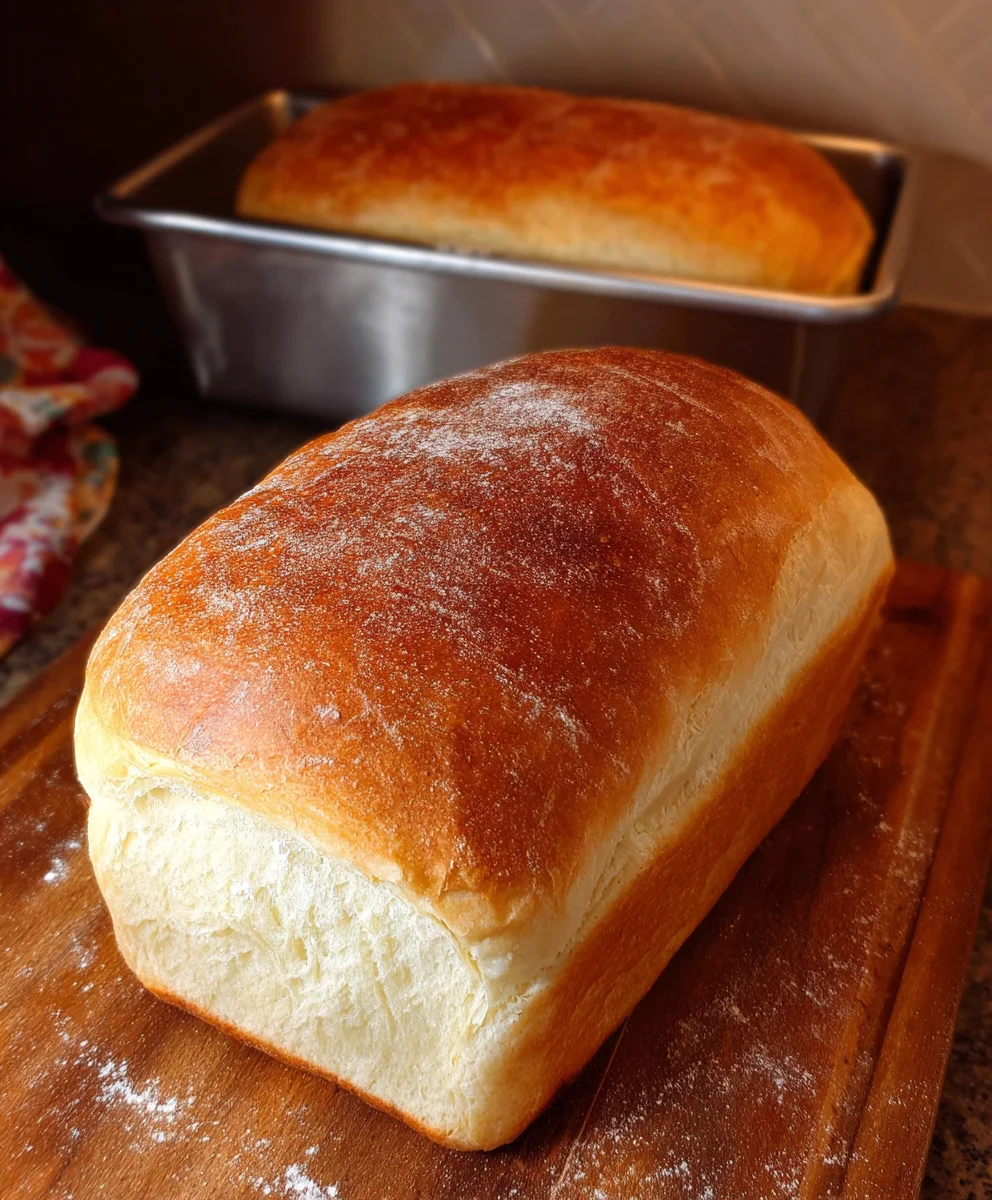
Once baked, immediately remove the bread from the loaf pan and place it on a wire cooling rack. This is a critical step to prevent the bottom crust from becoming soggy from trapped steam. Allow the bread to cool completely for at least 1 hour before slicing. Patience here is key; slicing into hot bread can result in a gummy texture. The cooling process allows the interior structure to set properly, ensuring a perfect slice every time. Enjoy the fruits of your labor – the best white bread from scratch, made with your own two hands!
Conclusion:
You’ve now unlocked the secret to creating The Best White Bread from Scratch! This recipe is a rewarding journey, yielding a loaf that is impossibly soft, wonderfully airy, and bursting with homemade flavor. Don’t be intimidated by the process; with a little patience and attention, you’ll be slicing into your own masterpiece in no time. The aroma that fills your kitchen as this bread bakes is truly magical, a testament to the simple goodness of flour, water, yeast, and salt. I encourage you to embrace the process and savor the delicious results.
For serving suggestions, this bread is divine simply toasted with butter, but it also makes an exceptional base for sandwiches, a comforting companion to soups and stews, or a delightful vehicle for your favorite jams and spreads. Don’t hesitate to get creative with variations! You could try adding a touch of honey or sugar for a slightly sweeter loaf, or incorporate herbs like rosemary or thyme for a savory twist.
Frequently Asked Questions:
Why is my bread dense instead of airy?
Density can often be caused by not allowing the dough to rise sufficiently in both stages. Ensure your yeast is active by proofing it in warm water before adding it to the dry ingredients. Also, make sure you are kneading the dough thoroughly until it’s smooth and elastic; this develops the gluten needed for a good rise. Over-mixing after the first rise can also deflate the dough.
Can I use a stand mixer for this recipe?
Absolutely! A stand mixer fitted with a dough hook can be a great help for kneading The Best White Bread from Scratch. Knead on a medium-low speed for about 8-10 minutes, or until the dough pulls away from the sides of the bowl and is smooth and elastic. Just like hand-kneading, the goal is to develop strong gluten.
Best White Bread From Scratch-Easy Homemade Recipe
A simple and delicious recipe for classic white bread baked from scratch, perfect for beginners.
Ingredients
-
2 cups warm water (about 105-115°F)
-
1/4 cup granulated sugar
-
5 cups all-purpose flour, plus more for dusting
-
2 teaspoons active dry yeast
-
2 teaspoons salt
-
3 tablespoons unsalted butter, softened
Instructions
-
Step 1
In a large mixing bowl, combine warm water and sugar. Sprinkle yeast over the surface and let stand for 5-10 minutes until foamy. -
Step 2
Add salt and softened butter to the foamy yeast mixture. Gradually add flour, one cup at a time, mixing until a shaggy dough forms and pulls away from the sides of the bowl. -
Step 3
Knead the dough on a lightly floured surface for 8-10 minutes (or 6-8 minutes with a stand mixer) until smooth and elastic. Perform the windowpane test to ensure gluten development. -
Step 4
Place kneaded dough in a lightly greased bowl, turning to coat. Cover and let rise in a warm place for 1 to 1.5 hours, or until doubled in size. -
Step 5
Gently punch down the dough, shape it into a loaf, and place it seam-side down in a greased 9×5 inch loaf pan. -
Step 6
Cover the shaped loaf loosely and let it rise again for 30-60 minutes, or until visibly increased in size. -
Step 7
Preheat oven to 375°F (190°C). Bake the loaf for 30-40 minutes, or until the crust is deep golden brown and the internal temperature reaches 190-200°F (88-93°C). -
Step 8
Immediately remove bread from the pan and cool completely on a wire rack for at least 1 hour before slicing.
Important Information
Nutrition Facts (Per Serving)
It is important to consider this information as approximate and not to use it as definitive health advice.
Allergy Information
Please check ingredients for potential allergens and consult a health professional if in doubt.