Easy Tanghulu Recipe-Chinese Candied Fruit Fun
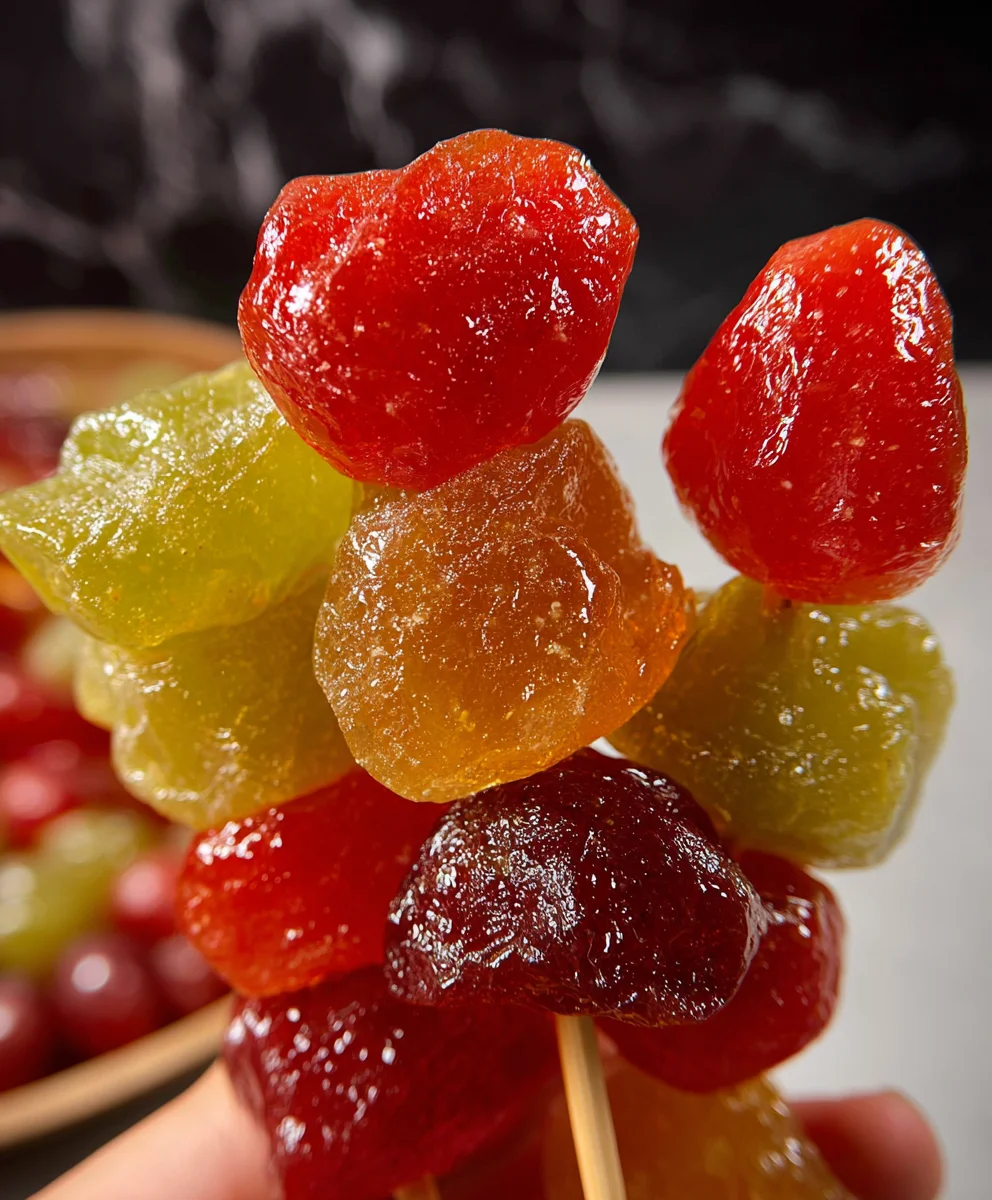
Tanghulu Recipe (Chinese Candied Fruit): Prepare to be captivated by the shimmering, jewel-like beauty and the delightful crunch of authentic Tanghulu, also known as Chinese candied fruit. This iconic street food snack is an absolute sensation, and for good reason! Imagin extracte biting into a perfectly crisp sugar shell that yields to the sweet, juicy burst of fresh fruit within. It’s a sensory experience that transports you straight to the bustling markets of China. What truly makes this Tanghulu Recipe so special is its deceptive simplicity. With just a few basic ingredients and a touch of patience, you can recreate this beloved treat in your own kitchen, impressing friends and family with its vibrant appearance and addictive flavor. It’s the perfect balance of sweet, tart, and incredibly satisfying, making it a favorite for both kids and adults looking for a unique and wonderfully festive dessert or snack.
Ingredients:
- 1 pound of fresh fruit, such as strawberries, seedless grapes, or cherry tomatoes. You can also experiment with other fruits like apple slices or kumquats. Aim for about 30 pieces, ensuring they are roughly similar in size for even coating.
- 2 cups granulated white sugar. This is the foundation of our crunchy candy shell.
- 1 cup water. This will combine with the sugar to create the syrupy coating.
- Wooden skewers or lollipop sticks.
- Parchment paper or a silicone baking mat.
Preparing the Fruit
Washing and Drying
The first crucial step to achieving a perfect, crackly tanghulu is preparing your fruit. For strawberries, gently rinse them under cool running water and carefully pat them completely dry with paper towels. Any excess moisture on the fruit will prevent the sugar syrup from adhering properly, resulting in a sticky, uneven coating. For grapes, ensure they are also clean and thoroughly dried. If you’re using cherry tomatoes, the same principle applies – a clean, dry surface is key. For larger fruits like apple slices, make sure they are cut to a manageable size and are also completely dry. Removing the stems from strawberries is also a good idea at this stage.
Skewering the Fruit
Once your fruit is prepped and dry, it’s time to get them onto skewers. If you are using strawberries, push a skewer through the leafy green end, going down into the flesh of the berry. For grapes or cherry tomatoes, simply push a skewer through a few pieces, arrangin extractg them snugly but not so tightly that they’ll burst. Aim for about 3-5 pieces per skewer, depending on their size. This will make them easy to dip and handle. It’s important to have all your fruit skewered and ready to go before you start making the sugar syrup, as the syrup cools and hardens quite quickly.
Making the Sugar Syrup
Combining Sugar and Water
In a medium-sized, heavy-bottomed saucepan, combine the 2 cups of granulated white sugar and 1 cup of water. Using a heavy-bottomed pot helps to distribute heat evenly, reducing the risk of scorching the sugar. Avoid stirring the mixture too much once it starts to heat up, as this can encourage premature crystallization. A gentle swirl of the pan is sufficient if you need to mix things around initially.
Cooking to the Hard Crack Stage
Place the saucepan over medium-high heat. We are aiming for a specific temperature and consistency for our sugar syrup, often referred to as the “hard crack” stage. This means the syrup will form hard, brittle threads when dropped into cold water. You can monitor this using a candy thermometer – the target temperature is typically between 300°F and 310°F (150°C to 154°C). If you don’t have a thermometer, you can test the syrup by carefully dropping a small amount into a glass of ice water. If it hardens immediately into thin, breakable threads, it’s ready. This process will take about 10-15 minutes. It’s crucial to keep a close eye on the syrup as it can go from perfectly cooked to burnt very quickly.
Coating the Fruit
Dipping and Twirling
Once the sugar syrup reaches the hard crack stage and is a beautiful, clear amber color (be careful not to let it darken too much, or it will taste burnt!), remove the saucepan from the heat. Working quickly but carefully, dip each fruit skewer into the hot syrup. You can either dip the entire skewer or just the fruit portion. Rotate the skewer gently to ensure the fruit is evenly coated with the hot sugar. You want a nice, thin, glossy shell. If the syrup starts to thicken too much, you can briefly return the pot to low heat, but be very cautious not to overheat it.
Cooling and Hardening
As soon as the fruit is coated, lift the skewer out of the syrup and let any excess drip off for a moment. Then, carefully place the coated skewers onto your prepared parchment paper or silicone mat. You want to place them so that the coated fruit isn’t touching any other fruit or the surface too much, which can cause them to stick or become misshapen as they cool. Allow the tanghulu to cool completely at room temperature. This cooling process is vital for the sugar shell to harden and achieve that signature crispiness. It usually takes about 15-30 minutes, depending on the ambient temperature. Once hardened, they should have a beautiful, glossy, and perfectly crunchy shell.
Conclusion:
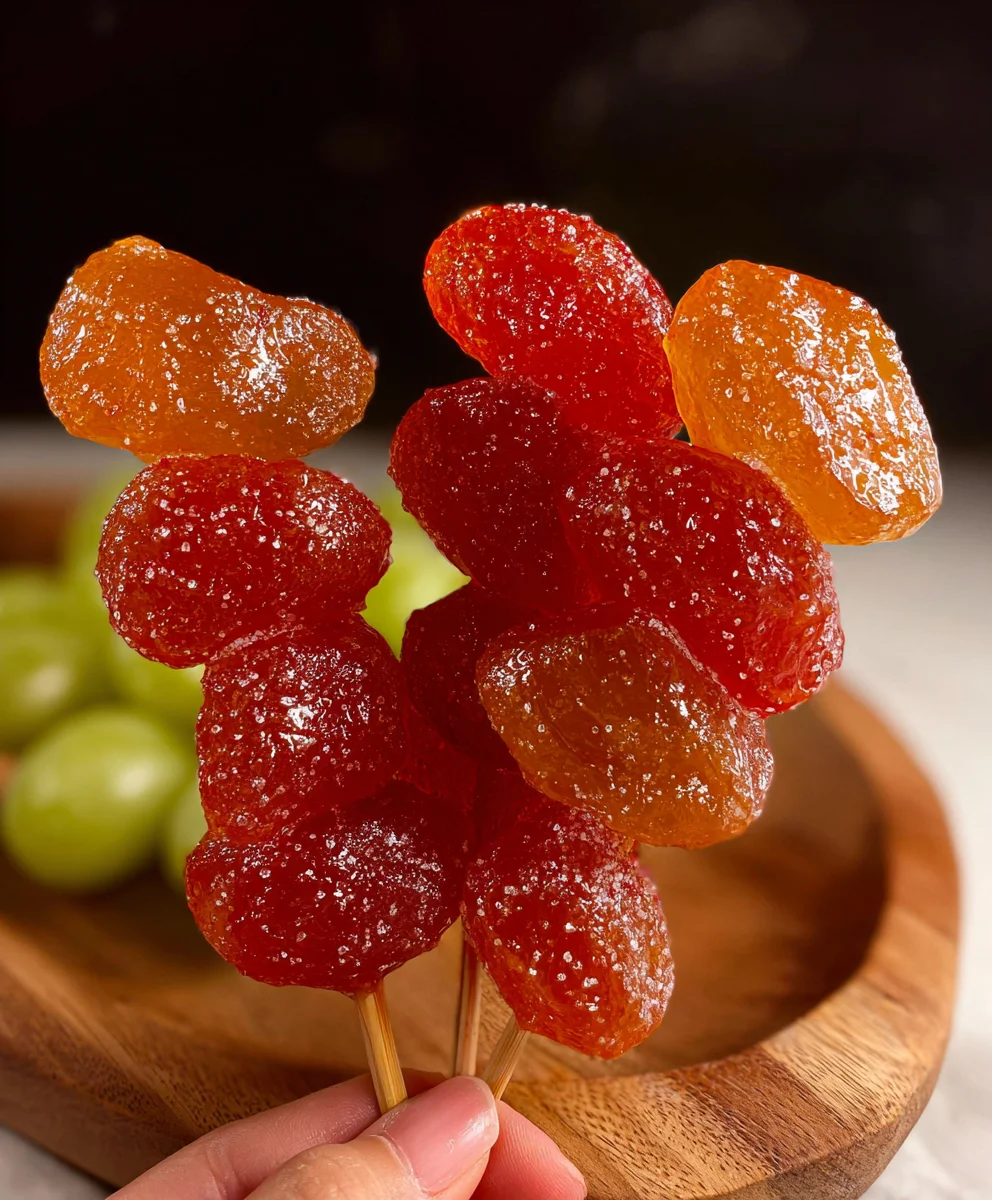
And there you have it – your very own delicious Tanghulu Recipe (Chinese Candied Fruit)! We’ve walked through the simple steps to create these beautiful, glistening candied fruits, from preparing your fruit to achieving that perfect sugar shell. These delightful treats are a feast for the eyes and the taste buds, offering a wonderful balance of tart fruit and sweet, crackly candy.
Serve your Tanghulu immediately for the best crispness, perhaps alongside a cup of tea or as a unique dessert. They are also fantastic for special occasions or as a fun activity to make with family and friends. Don’t be afraid to experiment with different fruits! Strawberries, grapes, kiwi slices, and even small apple wedges work beautifully. For a twist, consider adding a tiny pinch of food-grade glitter to the sugar syrup once it’s off the heat for an extra sparkle.
We encourage you to give this Tanghulu Recipe (Chinese Candied Fruit) a try. It’s a rewarding process that yields stunning results. Remember, practice makes perfect, so don’t be discouraged if your first attempt isn’t flawless. The joy of making and sharing these sweet delights is truly worth it! Enjoy every crunchy, fruity bite!
Frequently Asked Questions:
Why is my sugar coating not hardening?
This is a common issue! Ensure your sugar syrup reaches the hard-crack stage (around 300°F or 150°C). Using a candy thermometer is highly recommended. Also, make sure your fruit is completely dry before dipping, as moisture can prevent the sugar from hardening properly. Avoid overcrowding the pot, as this can lower the temperature.
Can I store Tanghulu?
Tanghulu is best enjoyed fresh, within a few hours of making. The sugar shell is susceptible to humidity, which can make it sticky or soft over time. If you must store them, place them in an airtight container in a cool, dry place, but be prepared for a slight loss of crispness. Avoid refrigeration, as the humidity will hasten the softening.
Easy Tanghulu Recipe-Chinese Candied Fruit Fun
A fun and easy recipe for making traditional Chinese candied fruit (Tanghulu) at home, featuring a crunchy sugar shell.
Ingredients
-
1 pound fresh fruit (e.g., strawberries, seedless grapes, cherry tomatoes, apple slices, kumquats)
-
2 cups granulated white sugar
-
1 cup water
-
Wooden skewers or lollipop sticks
-
Parchment paper or silicone baking mat
-
Paper towels
Instructions
-
Step 1
Wash and thoroughly dry all fruit. For strawberries, remove stems. Ensure fruit is completely dry to allow sugar syrup to adhere properly. -
Step 2
Skewer the fruit. For strawberries, insert skewers through the leafy end. For grapes or cherry tomatoes, thread 3-5 pieces per skewer snugly. Have all fruit skewered before starting syrup. -
Step 3
Combine sugar and water in a heavy-bottomed saucepan over medium-high heat. Avoid excessive stirring once heating begins. -
Step 4
Cook the syrup until it reaches the hard crack stage (300-310°F or 150-154°C). Test by dropping a small amount into ice water; it should form hard, brittle threads. This takes about 10-15 minutes. Watch closely to prevent burning. -
Step 5
Remove the saucepan from heat once the syrup is clear amber. Quickly and carefully dip each fruit skewer into the hot syrup, rotating to coat evenly with a thin, glossy shell. -
Step 6
Lift skewers, let excess syrup drip off briefly, then place them on parchment paper or a silicone mat. Arrange to prevent sticking or misshaping as they cool. -
Step 7
Allow the tanghulu to cool completely at room temperature for 15-30 minutes until the sugar shell hardens into a crisp, crunchy coating.
Important Information
Nutrition Facts (Per Serving)
It is important to consider this information as approximate and not to use it as definitive health advice.
Allergy Information
Please check ingredients for potential allergens and consult a health professional if in doubt.