Easy Pasta Primavera Recipe – Fresh & Delicious
Pasta Primavera is more than just a pasta dish; it’s a vibrant celebration of spring’s bounty, and it’s no wonder why it holds such a special place in so many hearts. Imagin extracte a plate bursting with the freshest seasonal vegetables, lightly kissed by heat and tossed with perfectly cooked pasta. This is the magic of Pasta Primavera. It’s a dish that manages to be both incredibly satisfying and wonderfully light, making it the perfect meal for a weeknight dinner or a cheerful gathering. People adore it for its adaptability; you can truly tailor it to whatever beautiful produce you find at the market. What truly sets this Pasta Primavera apart is the harmony of flavors and textures – the crisp bite of asparagus, the sweet pop of peas, the earthy notes of zucchini, all harmonizing with a delicate sauce. It’s a dish that feels nourishing and utterly delicious, a true taste of sunshine on a plate.
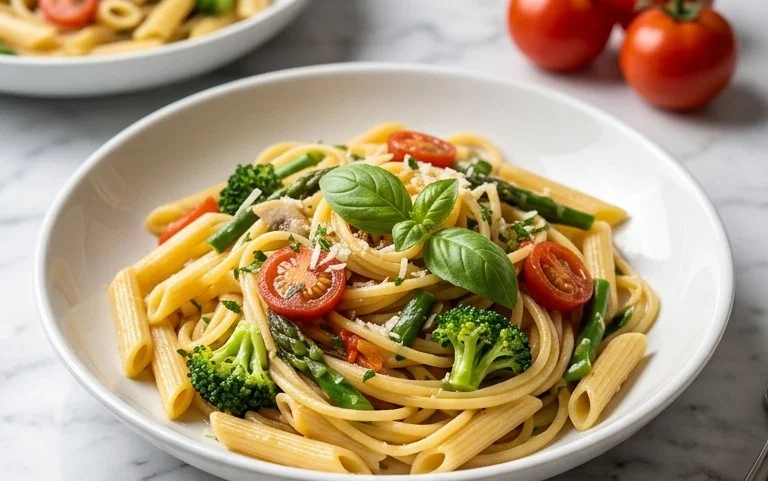
Pasta Primavera
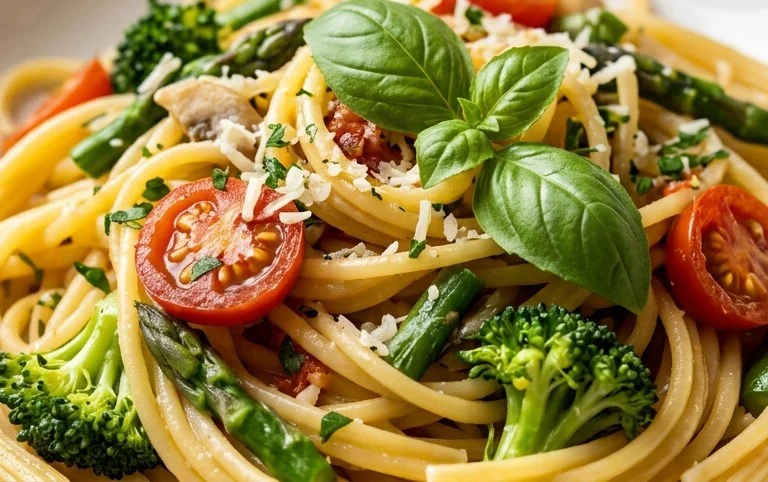
Pasta Primavera, meaning “spring pasta,” is a vibrant and refreshing dish that celebrates the season’s bounty. It’s a fantastic way to get a generous serving of colorful vegetables into a satisfying meal. This recipe is designed to be simple enough for a weeknight dinner but impressive enough for company. The key is to cook the vegetables until they are tender-crisp, retaining their bright colors and fresh flavors. We’ll be using a variety of fresh, crisp vegetables that cook quickly, creating a harmonious blend of textures and tastes. The light sauce, infused with garlic, lemon, and Parmesan, coats the pasta beautifully without being heavy.
Ingredients:
Cooking Instructions
Let’s get started on this delightful Pasta Primavera! The beauty of this dish lies in its simplicity and the way it allows the fresh ingredients to shine. We’ll break this down into manageable steps to ensure a perfect outcome every time.
1. Cook the Pasta
First things first, let’s get our pasta cooking. Bring a large pot of generously salted water to a rolling boil over high heat. Don’t be shy with the salt; it’s your main opportunity to season the pasta itself, which makes a big difference in the final dish. Add the 10 oz. of Barilla Penne Pasta to the boiling water and stir immediately to prevent it from sticking. Cook according to the package directions until it’s al dente – meaning it has a slight bite to it. While the pasta is cooking, make sure to reserve about 1 cup of the starchy pasta water before draining. This magical water will be our secret weapon for creating a silky sauce later on. Once the pasta is cooked, drain it well.
2. Prepare the Vegetables
While your pasta is cooking, or just before you start, it’s a good time to prep all your beautiful vegetables. This dish is all about vibrant colors and fresh flavors, so having everything ready to go will make the cooking process seamless and enjoyable. Take your 1/2 medium red onion and slice it thinly. Peel your large carrot and then slice it into fine matchsticks. If your broccoli florets are on the larger side, you can cut them into smaller, bite-sized pieces, aiming for matchstick-like uniformity for even cooking with the other vegetables. Next, slice your medium red bell pepper into similar matchsticks. For the yellow squash and zucchini, we want to cut them into quarter portions lengthwise, and then thinly slice those quarters. This shape helps them cook quickly and absorb the flavors. Finally, mince your 3-4 cloves of garlic. Mincing it finely will ensure its flavor distributes well throughout the sauce. Halve your heaping cup of grape tomatoes lengthwise; this allows them to release their juices and soften beautifully as they cook. Having all these components prepped and ready will allow you to move efficiently through the next steps.
3. Sauté the Aromatics and Heartier Vegetables
Now, let’s start building our flavor base. Place a large skillet or a deep sauté pan over medium heat. Add the 1/4 cup of olive oil. Once the oil is shimmering slightly, add the sliced red onion. Sauté the onion for about 2-3 minutes until it begin extracts to soften and become slightly translucent. Next, add the carrot matchsticks and the broccoli matchsticks to the pan. We’re adding these slightly heartier vegetables first because they take a little longer to cook than the others. Stir them around in the hot oil for about 4-5 minutes, allowing them to soften slightly and develop a hint of color. You want them to be tender-crisp at this stage, not mushy.
4. Add the Remaining Vegetables and Seasonings
Once the carrots and broccoli have had a head start, it’s time to add the rest of our vibrant vegetables. Add the sliced red bell pepper, yellow squash, and zucchini to the skillet. Stir everything together and continue to cook for another 3-4 minutes. You’re looking for the vegetables to become tender-crisp, still retaining a pleasant bite. Now, add the minced garlic and the 2 tsp of dried Italian seasoning. Stir constantly for about 30 seconds to a minute until the garlic is fragrant. Be careful not to burn the garlic, as it can turn bitter. Finally, toss in the halved grape tomatoes. Cook for just 1-2 more minutes, allowing the tomatoes to begin extract to soften and release some of their delicious juices.
5. Bring it All Together with Pasta and Sauce
We’re in the final stretch! Add the drained penne pasta directly to the skillet with the cooked vegetables. Pour in the reserved 1/2 cup of pasta water and the 2 Tbsp of fresh lemon juice. This is where the magic happens. The starchy pasta water will emulsify with the olive oil and vegetable juices to create a light, glossy sauce that coats everything beautifully. Add about half of the 1/2 cup shredded Parmesan cheese to the pan. Toss everything together gently but thoroughly, ensuring the pasta and vegetables are well coated with the sauce. Continue to toss over medium heat for about 1-2 minutes, allowing the sauce to thicken slightly and the flavors to meld. Taste and adjust seasoning with salt and pepper if needed. Serve immediately, garnished with the remaining shredded Parmesan cheese. This Pasta Primavera is a true celebration of spring, so enjoy every flavorful bite!
Conclusion:
There you have it – a delicious and vibrant Pasta Primavera recipe that’s as beautiful as it is tasty! This dish truly shines with its fresh, seasonal ingredients and the satisfying al dente pasta. It’s a perfect example of how simple, high-quality components can come together to create something truly special. Whether you’re looking for a quick weeknight meal or a stunning dish to impress guests, this Pasta Primavera delivers on all fronts. Don’t be afraid to get creative with your vegetable choices based on what’s fresh and in season near you!
I love serving this with a sprinkle of freshly grated Parmesan cheese and a drizzle of good olive oil. It’s also fantastic alongside a simple green salad or some crusty garlic bread. For a heartier meal, consider adding grilled chicken, shrimp, or even some cannellini beans. And if you’re feeling adventurous, try swapping out the pasta for gluten-free options or even zucchini noodles for a lighter take.
I really encourage you to give this Pasta Primavera a try. It’s a wonderfully adaptable recipe that’s bound to become a favorite in your rotation. Enjoy the process and savor every fresh, flavorful bite!
Frequently Asked Questions:
Q: What vegetables are best for Pasta Primavera?
A: The beauty of Pasta Primavera is its flexibility! Generally, spring and summer vegetables work best. Think asparagus, peas, bell peppers (any color!), cherry tomatoes, zucchini, yellow squash, and broccoli. You can also include heartier options like carrots or green beans. The key is to choose vegetables that cook relatively quickly and offer a variety of colors and textures.
Q: Can I make Pasta Primavera ahead of time?
A: While it’s best enjoyed fresh, you can do some prep work ahead. Chop all your vegetables and store them separately in airtight containers in the refrigerator. You can also cook the pasta a little al dente and toss it with a tiny bit of olive oil to prevent sticking; reheat it briefly before adding to the sautéed vegetables. The sauce itself is best made just before serving.
Q: What kind of pasta should I use?
A: Long pasta shapes like spaghetti, linguine, or fettuccine are traditional and work wonderfully. However, short shapes like penne, fusilli, or farfalle also hold the vegetables and sauce beautifully. Choose a pasta you enjoy! Just ensure you cook it to al dente perfection for the best texture.
Pasta Primavera
A vibrant and fresh pasta dish featuring a medley of seasonal vegetables.
Ingredients
-
10 oz. dry Barilla Penne Pasta
-
Salt
-
1/4 cup olive oil
-
1/2 medium red onion, sliced
-
1 large carrot, peeled and sliced into matchsticks
-
2 cups broccoli florets, cut into matchsticks
-
1 medium red bell pepper, sliced into matchsticks
-
1 medium yellow squash, sliced into quarter portions
-
1 medium zucchini, sliced into quarter portions
-
3 – 4 cloves garlic cloves, minced
-
1 cup (heaping) grape tomatoes, halved through the length
-
2 tsp dried Italian seasoning
-
1/2 cup pasta water
-
2 Tbsp fresh lemon juice
-
1/2 cup shredded parmesan, divided
Instructions
-
Step 1
Cook Barilla Penne Pasta in a large pot of salted boiling water according to package directions. Reserve 1/2 cup of pasta water before draining. -
Step 2
While pasta is cooking, heat olive oil in a large skillet over medium heat. Add sliced red onion and cook until softened, about 3-4 minutes. -
Step 3
Add carrot matchsticks, broccoli florets, red bell pepper matchsticks, yellow squash quarter portions, and zucchini quarter portions to the skillet. Stir and cook for 5-7 minutes, until vegetables are tender-crisp. -
Step 4
Add minced garlic and dried Italian seasoning to the skillet and cook for 1 minute until fragrant. -
Step 5
Stir in the halved grape tomatoes, reserved pasta water, and fresh lemon juice. Cook for another 2 minutes, until tomatoes are slightly softened. -
Step 6
Add the drained pasta to the skillet with the vegetables. Toss to combine. Stir in half of the shredded parmesan cheese. -
Step 7
Serve immediately, garnished with the remaining shredded parmesan cheese.
Important Information
Nutrition Facts (Per Serving)
It is important to consider this information as approximate and not to use it as definitive health advice.
Allergy Information
Please check ingredients for potential allergens and consult a health professional if in doubt.