
Easy Miso Soup Recipe- Flavorful & Quick
Miso Soup Recipe: A warm hug in a bowl, that’s precisely what this classic Japanese staple feels like. There’s a reason why miso soup is a beloved fixture in homes and restaurants worldwide. Its comforting aroma, its delicate yet deeply savory umami flavor, and its sheer simplicity make it an absolute winner for any meal. Whether you’re starting your day with a nourishing breakfast, seeking a light and healthy lunch, or adding a flavorful counterpoint to your dinner, this versatile soup never disappoints. What truly sets this miso soup recipe apart is the beautiful balance of salty, earthy miso paste with the subtle sweetness of dashi broth, creating a harmonious flavor profile that is both grounding and uplifting. It’s incredibly customizable, allowing you to add your favorite vegetables and proteins, making each bowl uniquely yours.
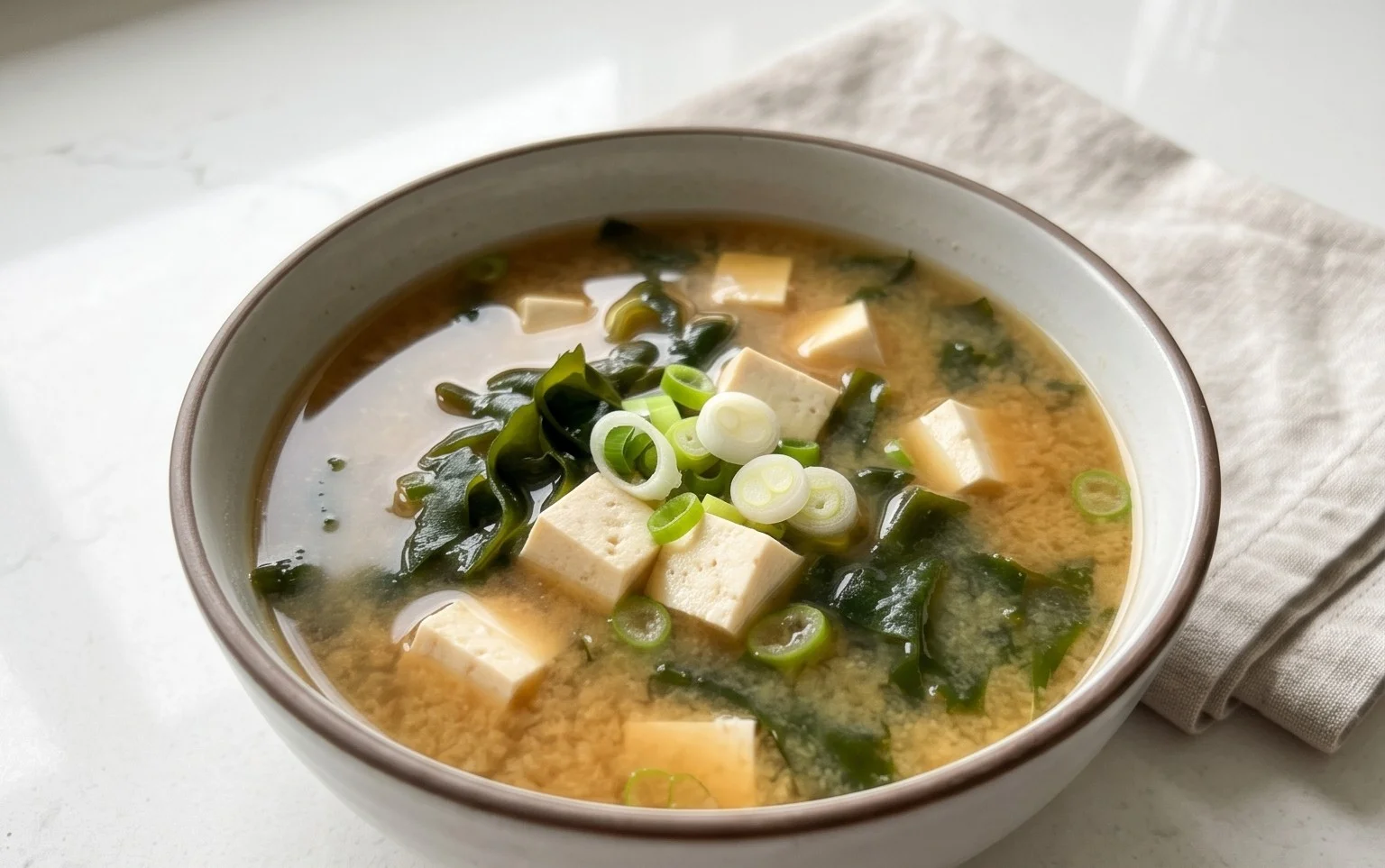
Miso Soup Recipe
Welcome to the comforting embrace of a classic Miso Soup! This Japanese staple is more than just a dish; it’s a warm hug in a bowl, a simple yet profoundly satisfying experience. Whether you’re starting your day with a light and savory broth, accompanying a sushi meal, or seeking a soothing remedy on a chilly evening, this miso soup recipe is your gateway to authentic flavor. It’s incredibly quick to prepare, making it a perfect choice for busy weeknights, and the customizable nature of miso paste allows you to tailor it to your exact preferences. We’ll be using some essential ingredients to bring this humble soup to life, focusing on quality and simplicity.
Ingredients:
Cooking Instructions:
Let’s get started on creating this delightful bowl of miso soup. The process is wonderfully straightforward, allowing the natural flavors of the ingredients to shine.
Preparing the Dashi and Seaweed
1. Begin extract by preparing your dashi. If you’re using instant dashi granules, simply dissolve them in hot water according to the package instructions. For those who prefer to make dashi from scratch, you’ll typically simmer kombu (dried kelp) and katsuobushi (bonito flakes) in water and then strain the broth. The dashi forms the foundational flavor of our soup, so a good quality dashi is key. In a medium saucepan, pour your 2½ cups of dashi. Bring it to a gentle simmer over medium heat. While the dashi is warming up, take your dried seaweed. If you’re using wakame, it usually comes in dried flakes or strips. Add the heaping tablespoon of dried seaweed directly to the simmering dashi. The seaweed will rehydrate quickly, softening and expanding in the warm liquid. This process usually takes just a minute or two.
Incorporating the Tofu
2. Once the seaweed has softened, it’s time to add the silken tofu. Carefully add your 4 oz of silken tofu, which you’ve already cut into small, bite-sized pieces, into the saucepan. Be gentle when adding the tofu to avoid breaking it up too much. Silken tofu is delicate and will absorb the flavors of the dashi beautifully. Allow the tofu to heat through in the simmering dashi for about 2-3 minutes. This brief period ensures the tofu is warm and ready to be enjoyed without becoming mushy.
Dissolving the Miso Paste
3. This is arguably the most crucial step in making miso soup, as it directly influences the flavor and consistency of the broth. Do not boil your miso paste! Boiling miso can diminish its delicate flavor and beneficial probiotics. Instead, we want to gently incorporate it into the warm dashi. Take your 2-2½ tablespoons of miso paste. The amount you use will depend on the type of miso and your personal preference for saltiness and umami. White miso (shiro miso) is generally milder and sweeter, red miso (aka miso) is more robust and salty, and awase miso is a blend of the two.
To properly dissolve the miso, it’s best to use a small bowl or a ladle. Scoop out a small amount of the warm dashi broth from the saucepan into a separate bowl. Add your miso paste to this small amount of dashi and whisk it gently with a fork or a small whisk until it’s completely smooth and no lumps remain. Alternatively, you can use a ladle to scoop up some broth, place the miso paste into the ladle, and whisk it directly in the ladle before returning it to the pot.
Combining and Finishing the Soup
4. Once your miso paste is fully dissolved in the extra broth, gently pour this mixture back into the main saucepan with the dashi, seaweed, and tofu. Stir the soup gently to distribute the dissolved miso paste evenly throughout the broth. Now, reduce the heat to low and allow the soup to warm through for another minute or two. Again, resist the urge to let it boil. You’re simply looking for the soup to be heated to a pleasant temperature for serving. Taste the soup and adjust the miso paste if necessary. If you desire a stronger flavor, you can dissolve a little more miso paste in a small amount of warm dashi and add it to the pot.
Serving Your Miso Soup
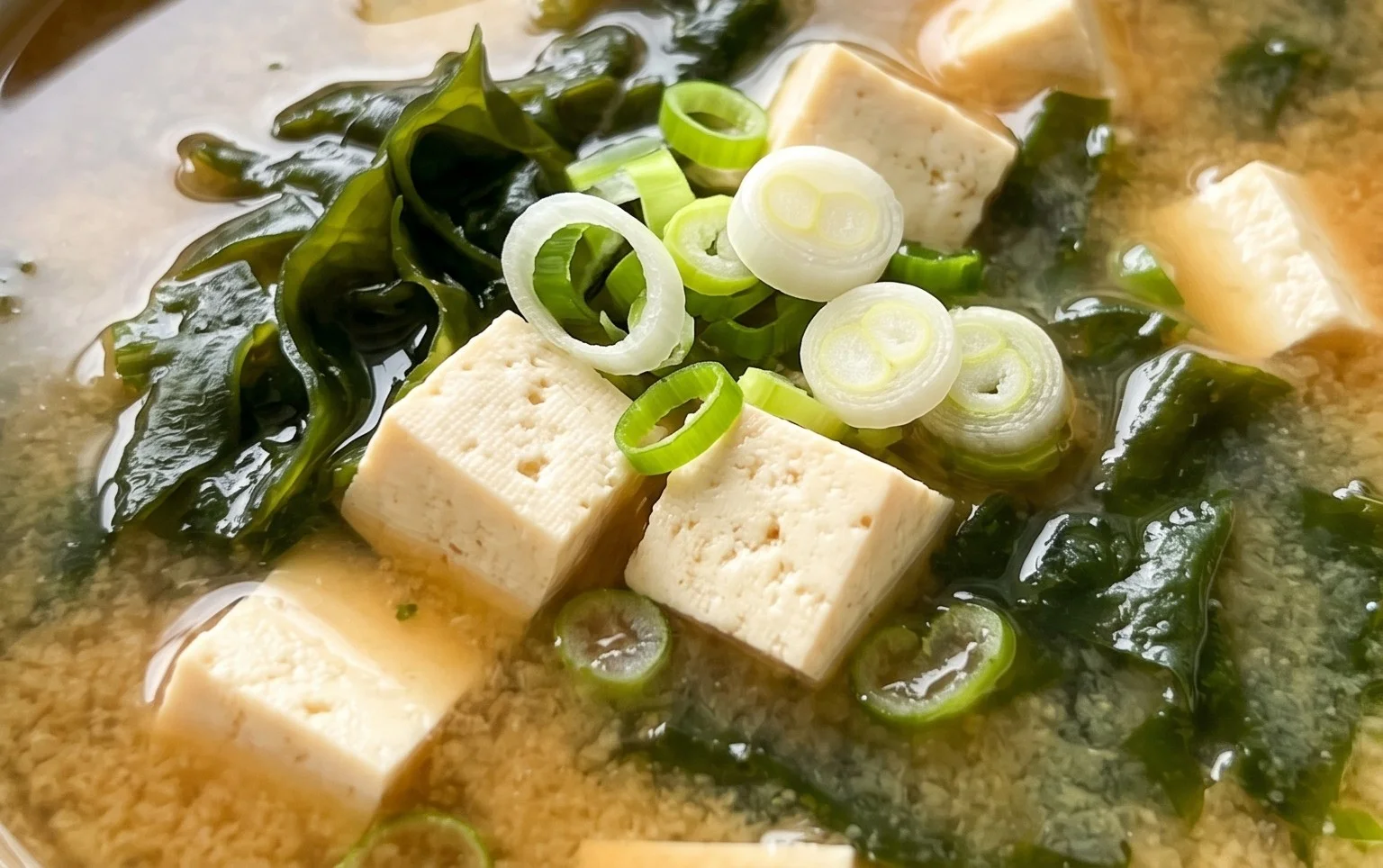
5. Ladle the hot miso soup into individual serving bowls. Garnish each bowl with the chopped scallions. The fresh, bright flavor of the scallions adds a lovely contrast to the savory depth of the miso. Serve immediately and savor the simple elegance of this traditional Japanese dish.
Enjoy your homemade miso soup! It’s a testament to how a few simple ingredients can create something so deeply satisfying.
Conclusion:
And there you have it! This miso soup recipe is a fantastic gateway into the comforting and umami-rich world of Japanese cuisine. It’s incredibly simple to make, allowing you to whip up a steaming bowl of goodness in mere minutes, making it perfect for a quick lunch, a light starter, or even a late-night craving. The subtle depth of flavor from the miso, combined with the delicate additions, creates a truly satisfying experience. I encourage you all to give this recipe a try – it’s a wonderful way to nourish yourself and impress with minimal effort. Don’t be afraid to experiment and make it your own!
For serving, this miso soup shines as a starter to any Japanese meal, alongside sushi or ramen. It’s also substantial enough to be enjoyed on its own with a side of rice. Thinking about variations? Absolutely! You can add silken tofu for extra protein, a handful of spinach or bok choy for greens, or even some cooked shiitake mushrooms for an earthier flavor. Thinly sliced green onions are a classic garnish, but don’t hesitate to add a sprinkle of toasted sesame seeds or a drizzle of chili oil for a little kick.
Frequently Asked Questions:
What is the best type of miso for this recipe?
For this basic miso soup recipe, a light-colored miso, such as shiro miso (white miso), is often recommended for its milder, slightly sweet flavor. However, you can also use awase miso (mixed miso) or aka miso (red miso) for a deeper, more robust taste. Experiment to find your favorite!
Can I make miso soup ahead of time?
While you can prepare the dashi broth ahead of time, it’s best to add the miso paste just before serving. Miso can lose some of its flavor and beneficial properties when boiled for extended periods. So, for the freshest and most flavorful miso soup, assemble it right before you plan to eat.
Miso Soup Recipe
A simple and classic Japanese miso soup recipe, perfect as a starter or light meal.
Ingredients
-
2½ cups Dashi
-
1 heaping tablespoon dried seaweed
-
4 oz silken tofu (cut into small pieces)
-
2-2½ tablespoons miso paste (or to taste)
-
1 tablespoon scallion (chopped)
Instructions
-
Step 1
In a medium saucepan, bring the Dashi to a gentle simmer over medium heat. -
Step 2
Add the dried seaweed to the simmering Dashi and let it rehydrate for about 2-3 minutes. -
Step 3
Gently add the silken tofu pieces to the saucepan. -
Step 4
In a small bowl, whisk the miso paste with a ladleful of the hot Dashi until smooth. This prevents clumps. -
Step 5
Stir the dissolved miso paste mixture back into the saucepan. Do not boil after adding miso, as it can alter the flavor and beneficial properties. -
Step 6
Ladle the soup into bowls and garnish with chopped scallions before serving.
Important Information
Nutrition Facts (Per Serving)
It is important to consider this information as approximate and not to use it as definitive health advice.
Allergy Information
Please check ingredients for potential allergens and consult a health professional if in doubt.