The Best Chimichurri Sauce Recipe – Fresh & Flavorful
Chimichurri sauce is more than just a condiment; it’s an experience. This vibrant, herbaceous concoction, hailing from Argentina and Uruguay, has captured hearts and taste buds worldwide for a very good reason. Imagin extracte a burst of fresh parsley and oregano, brightened by garlic and a zing of vinegar, all brought together with the subtle warmth of red pepper flakes. It’s this harmonious blend of simple, high-quality ingredients that makes chimichurri sauce so utterly irresistible.
Why We Adore Chimichurri
What truly sets this magical sauce apart is its incredible versatility. It’s the perfect counterpoint to grilled meats, adding a zesty, herbaceous punch that cuts through richness like a dream. But don’t stop there! I love slathering it on roasted vegetables, swirling it into dips, or even drizzling it over fish. The sheer freshness and the way it elevates even the simplest meal is what makes chimichurri sauce a kitchen staple I can’t live without.
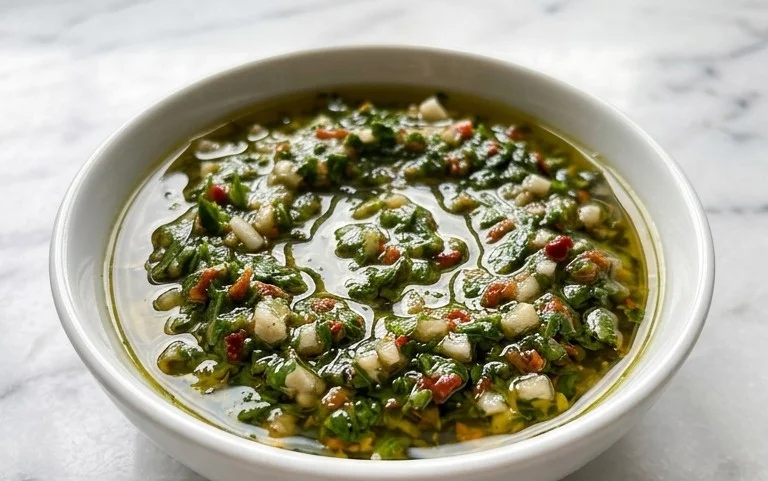
Chimichurri Sauce
There are few sauces that possess the vibrant, fresh, and utterly irresistible character of chimichurri. This Argentinian powerhouse is more than just a condiment; it’s a celebration of fresh herbs, pungent garlic, and bright acidity, all brought together with the richness of olive oil. While often served with grilled meats, especially steak, chimichurri is astonishingly versatile. Drizzle it over grilled fish, toss it with roasted vegetables, use it as a marinade, or even stir a spoonful into your favorite salad dressing. Its herbaceous punch and zesty tang can elevate almost any dish from good to absolutely unforgettable. Making it at home is surprisingly simple, and the results are leagues ahead of anything you’ll find pre-bottled. Forget the store-bought stuff; this fresh, homemade chimichurri is the real deal.
Ingredients:
Making Your Chimichurri
The beauty of chimichurri lies in its simplicity. It’s primarily a chop-and-mix affair, which means anyone can master it. The key is using the freshest ingredients possible to get that bright, lively flavor. Let’s dive in!
Step 1: Prepare the Fresh Herbs
Begin extract by thoroughly washing and drying your fresh herbs. For the parsley, make sure to remove any thick stems, as these can impart a tougher texture and slightly bitter flavor. You want to use just the tender leaves and delicate stems. If using cilantro, you can include a bit more of the tender stem, as it’s usually quite soft. For the oregano, if you’re lucky enough to find fresh, use the leaves. If using dried, measure it out accurately. Once cleaned and dried, finely chop the parsley, cilantro, and oregano. Aim for a relatively fine chop; you don’t want huge leafy pieces. This is where a good sharp knife really comes in handy. A rough chop will result in a chunkier sauce, which is perfectly fine if that’s your preference, but a finer chop allows the flavors to meld more harmoniously. I like to bunch my herbs together tightly before chopping to ensure an even cut.
Step 2: Mince the Aromatics
Next, we’ll tackle the aromatics: the red onion (or shallot) and garlic. Finely mince the garlic cloves. You can use a garlic press if you prefer, but mincing with a knife gives you a bit more control and a more rustic texture. For the red onion or shallot, finely dice it. The goal here is to have these ingredients incorporated evenly throughout the sauce. If you’re using a quarter of a small red onion, make sure it’s a very small one, or you can use a smaller portion of a larger one to avoid overwhelming the other flavors. Shallots offer a slightly milder, sweeter onion flavor, which can be a lovely alternative. Remember, the pungency of raw garlic and onion will mellow slightly as the sauce rests, but you don’t want giant chunks of either.
Step 3: Combine Wet Ingredients and Seasonings
In a medium bowl, combine the red grape juice vinegar and fresh lemon juice. Red grape juice vinegar provides a beautiful subtle sweetness and a deeper, more complex tang than regular red grape juice vinegar, though you can substitute red grape juice vinegar if needed. The lemon juice adds a bright, zesty counterpoint. Now, add the salt and the red pepper flakes if you’re using them. Stir these ingredients together until the salt is mostly dissolved. Taste this mixture at this stage – it will be quite potent, but it gives you a baseline for the acidity and spice. Adjust the salt or pepper flakes to your liking now, keeping in mind that the olive oil will mellow the intensity somewhat.
Step 4: Emulsify the Sauce
This is where the magic truly happens. Slowly pour the olive oil into the bowl containing the vinegar and lemon juice mixture. As you pour, whisk continuously. You’re essentially creating an emulsion, where the oil and liquid ingredients are bound together. Start with a slow, steady stream of olive oil, whisking vigorously. As the sauce begin extracts to thicken and emulsify, you can gradually increase the pour rate. Continue whisking until the sauce is well combined and has a slightly thicker, more cohesive texture. It won’t be as thick as a mayonnaise-based sauce, but it should be nicely integrated. If you’re short on time or prefer a smoother consistency, you can pulse the ingredients in a food processor, but be careful not to over-process, as you want to retain some of the fresh herb texture.
Step 5: Combine and Let Flavors Meld
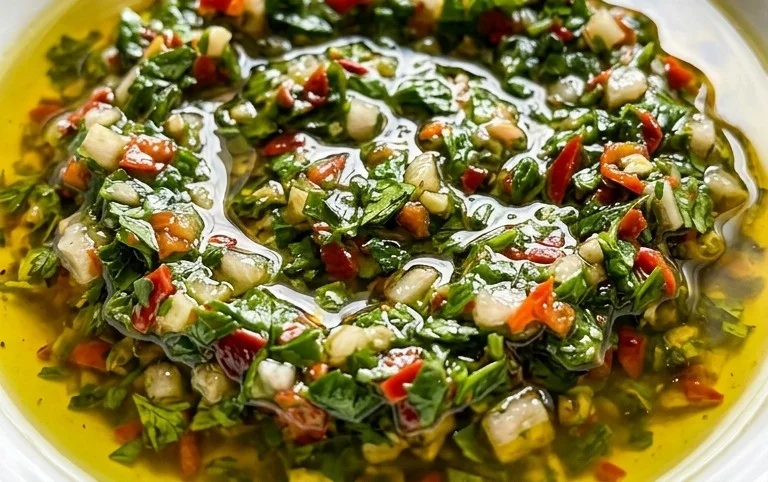
Add your finely chopped herbs and minced aromatics (parsley, cilantro, oregano, red onion/shallot, and garlic) to the emulsified dressing. Stir everything together thoroughly until all the ingredients are evenly distributed. Now comes the crucial part for achieving the best flavor: letting the chimichurri rest. Ideally, allow the sauce to sit at room temperature for at least 30 minutes before serving. This resting period is essential because it gives the flavors time to meld and deepen. The raw garlic and onion will mellow, and the herbs will infuse their vibrant essence into the dressing. You can also make this chimichurri a few hours in advance and store it in an airtight container in the refrigerator. If you refrigerate it, you might find that it solidifies slightly due to the olive oil. Just let it sit at room temperature for about 15-20 minutes and give it a good stir before serving. Taste and adjust seasonings one last time – you might find you want a little more salt or a pinch more red pepper flakes. Enjoy this incredible, versatile sauce!
Conclusion:
There you have it! This chimichurri sauce recipe is your passport to unlocking a world of vibrant, herbaceous flavor. What makes it so fantastic? It’s the incredible freshness and versatility it brings to any dish. The bright tang of vinegar, the pungent kick of garlic, and the herbaceous symphony of parsley and oregano create a sauce that’s both simple and sophisticated. It elevates grilled meats to restaurant-quality status, livens up roasted vegetables, and even adds a zesty twist to sandwiches and dips. I truly encourage you to give this recipe a try; I’m confident you’ll be hooked!
Don’t be afraid to experiment with its potential. Serve it generously over a perfectly grilled steak, alongside roasted chicken, or spooned over pan-seared fish. It’s also surprisingly delightful with grilled halloumi or as a dip for crusty bread. For those who love to tinker, consider adding a pinch of red pepper flakes for a touch of heat, or swapping out some of the parsley for cilantro for a different aromatic profile. The possibilities are truly endless!
Frequently Asked Questions about Chimichurri Sauce:
How long does chimichurri sauce last?
When stored properly in an airtight container in the refrigerator, this vibrant chimichurri sauce will typically stay fresh for about 4-5 days. The acidity helps preserve it, but the fresh herbs are best enjoyed sooner rather than later for optimal flavor.
Can I make chimichurri sauce ahead of time?
Absolutely! In fact, letting the flavors meld for a few hours or even overnight in the refrigerator can deepen the taste of your chimichurri. Just be sure to give it a good stir before serving, as the oil and vinegar might separate slightly.
Classic Chimichurri Sauce
A vibrant and herbaceous Argentine sauce perfect for grilling, marinating, or as a condiment.
Ingredients
-
1 1/2 cups well packed (42g) fresh parsley
-
1/2 cup well packed (20g) fresh cilantro
-
1/4 cup (9g) fresh oregano or 1 tsp dried
-
1/4 small red onion or one small shallot
-
3 garlic cloves
-
3 Tbsp red grape juice vinegar
-
2 Tbsp fresh lemon juice
-
1/2 tsp salt
-
1/4 tsp red pepper flakes
-
3/4 cup olive oil
Instructions
-
Step 1
Finely chop the fresh parsley, cilantro, oregano (if using fresh), red onion (or shallot), and garlic. -
Step 2
In a medium bowl, combine the chopped herbs, onion/shallot, garlic, red grape juice vinegar, lemon juice, salt, and red pepper flakes (if using). -
Step 3
Stir the ingredients together to ensure they are well combined. -
Step 4
Slowly drizzle in the olive oil while continuously stirring or whisking until the sauce is emulsified. -
Step 5
Taste and adjust seasoning with more salt or red pepper flakes if desired. -
Step 6
For best flavor, let the chimichurri sauce sit for at least 30 minutes at room temperature before serving, or refrigerate for up to a week.
Important Information
Nutrition Facts (Per Serving)
It is important to consider this information as approximate and not to use it as definitive health advice.
Allergy Information
Please check ingredients for potential allergens and consult a health professional if in doubt.