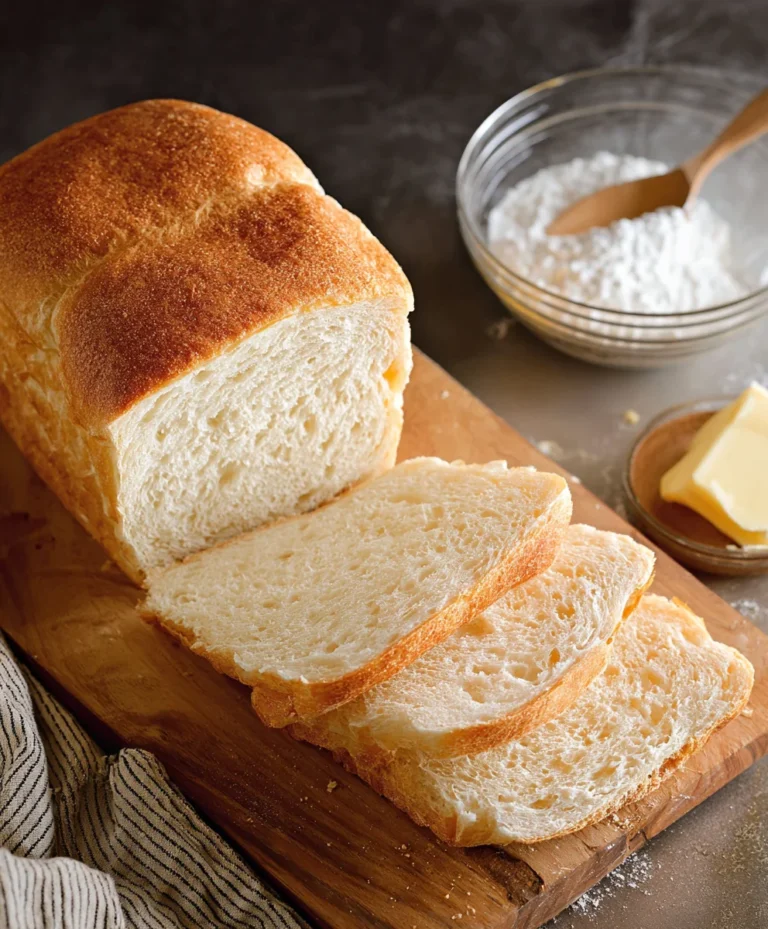
Easy Homemade English Muffins – Delicious & Simple Recipe
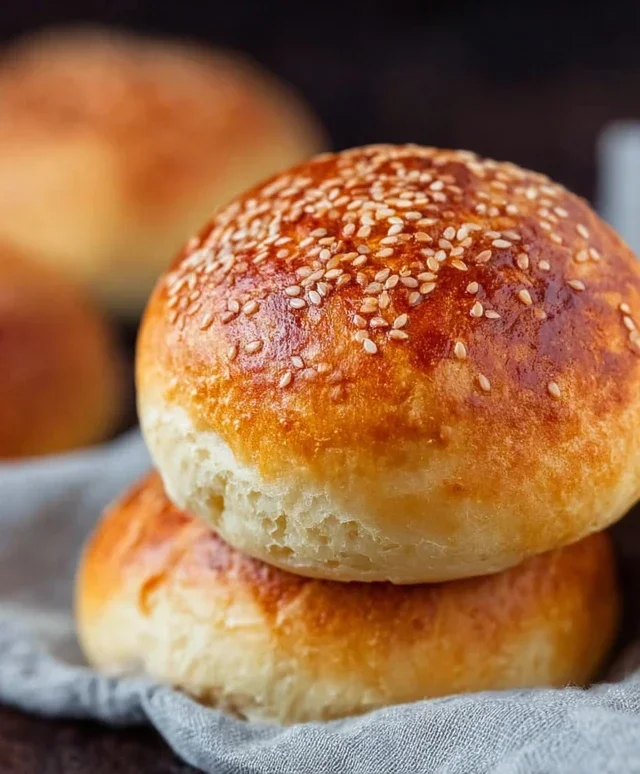
Easy Homemade English Muffins are a breakfast revelation! Forget those store-bought versions that often fall flat. Imagin extracte biting into a perfectly toasted muffin, its nooks and crannies beggin extractg to be filled with melting butter, jam, or even a glorious fried egg. There’s a certain rustic charm and satisfying chew that only a homemade English muffin can deliver. They truly elevate your morning routine, transforming a simple breakfast into something special. The aroma that fills your kitchen as they cook is pure magic, a promise of the deliciousness to come. What makes these easy homemade English muffins so wonderful is that they’re surprisingly achievable, even for novice bakers. You don’t need fancy equipment, just a little patience and a desire for truly exceptional baked goods. Get ready to impress yourself and anyone lucky enough to share your breakfast with these delightful easy homemade English muffins.

Easy Homemade English Muffins
There’s something truly special about a freshly made English muffin. The nooks and crannies, perfect for soaking up butter or jam, are a world away from the bland, uniform texture of many store-bought varieties. The good news is, making your own is surprisingly simple and incredibly rewarding. Forget the lengthy proofs and complicated techniques; this recipe is designed for ease and delivers fantastic results every time. Imagin extracte the aroma filling your kitchen as these golden beauties bake – it’s a breakfast dream come true. These are wonderfully versatile, perfect for a classic breakfast sandwich, a base for eggs Benedict, or simply toasted with your favorite spread. Let’s get baking!
Ingredients:
Getting Started: The Dough
1. In a large mixing bowl, combine the warm water and sugar. Stir gently to dissolve the sugar. Sprinkle the instant dry yeast over the surface of the water. Let it sit undisturbed for about 5-10 minutes. You should see the yeast become foamy and bubbly, indicating it’s alive and ready to work its magic. If you don’t see any activity, your yeast might be old or the water wasn’t the right temperature, and you’ll need to start with fresh yeast. This initial proofing step is crucial for ensuring a good rise. Once you see that lovely foam, whisk in the oil (or melted butter).
2. Add the flour and salt to the yeast mixture. If you’re using a stand mixer with a dough hook, attach it and mix on low speed until a shaggy dough forms. If you’re mixing by hand, use a wooden spoon or spatula to combine everything until it just comes together. At this stage, the dough will be quite sticky. Turn the dough out onto a lightly floured surface. Begin extract to knead. If using a stand mixer, increase the speed slightly and knead for about 5-7 minutes, or until the dough is smooth and elastic. If kneading by hand, dust your hands and the work surface with a little more flour as needed, but try not to add too much extra. Knead by folding the dough over on itself and pressing down with the heels of your hands. Continue kneading until the dough is smooth, elastic, and springs back when gently poked. It should be slightly tacky, but not sticking excessively to your hands. If it’s too wet and sticky, add flour a tablespoon at a time. If it feels too dry and stiff, you can add a tiny bit of warm water.
First Rise and Shaping
3. Lightly grease a clean bowl with a little oil. Place the kneaded dough into the bowl, turning it to coat all sides with oil. Cover the bowl tightly with plastic wrap or a damp kitchen towel. Let the dough rise in a warm, draft-free place for about 1 to 1.5 hours, or until it has doubled in size. The time this takes can vary depending on the temperature of your kitchen. A slightly warmer spot, like a slightly warm oven (turned off!) or near a sunny window, can speed things up. Once doubled, gently punch down the dough to release the air.
4. Turn the risen dough out onto a lightly floured surface. Gently pat or roll the dough into a rectangle about ½ inch thick. Use a round biscuit cutter or the rim of a glass (about 3 inches in diameter) to cut out rounds. Gather the scraps, gently re-knead them just enough to bring them together (don’t overwork!), and cut out more rounds until you’ve used most of the dough. You should get about 8-10 muffins. Place the cut-out rounds onto a baking sheet lined with parchment paper. Lightly dust the tops of the rounds with a little flour. Now, cover them loosely with plastic wrap or a kitchen towel and let them rest for another 20-30 minutes. This second, shorter proofing allows the muffins to relax and puff up slightly before cooking.
Cooking Your English Muffins
5. Prepare your cooking surface. You’ll need a flat griddle or a large, heavy-bottomed skillet. Heat the griddle or skillet over medium-low heat. This low and slow cooking is key to getting those lovely golden-brown exteriors and perfectly cooked insides without burning. Lightly sprinkle the heated surface with cornmeal. This cornmeal not only gives the muffins a lovely texture and prevents sticking but also contributes to that authentic English muffin appeal. Carefully place the proofed muffin rounds onto the cornmeal-dusted griddle, leaving some space between them. Cook for about 5-7 minutes per side, or until they are golden brown and cooked through. You’re looking for a firm texture when pressed gently. Resist the urge to press them down with your spatula as they cook – this will ruin those precious nooks and crannies!
Finishing Touches
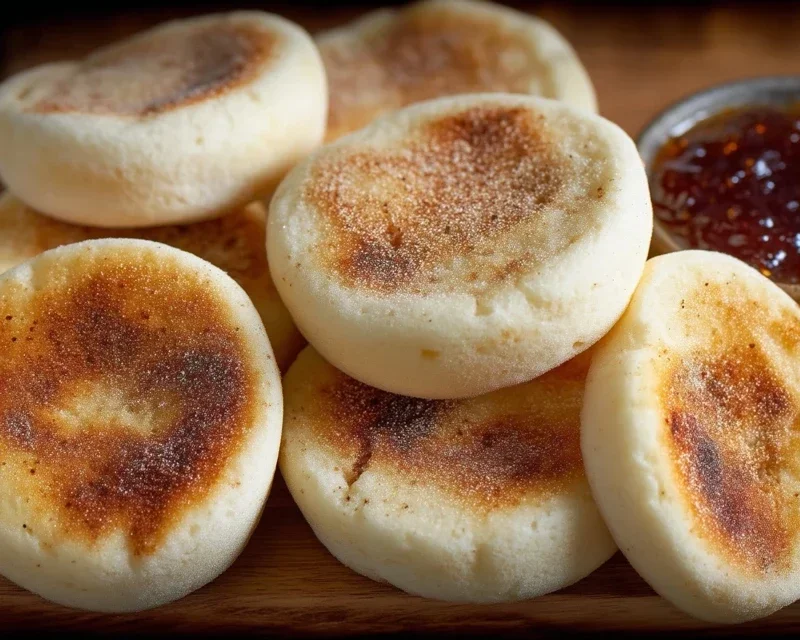
Once cooked, remove the English muffins from the griddle and let them cool slightly on a wire rack. The best way to enjoy them is to split them open once they’re cool enough to handle – use a fork or a knife to gently tear them apart. This technique creates more nooks and crannies. Toast them until golden brown and crispy, then slather with butter, jam, honey, or whatever your heart desires. Store any leftovers in an airtight container at room temperature for a day or two, or freeze them for longer storage. Reheat gently in a toaster or under the broiler. Enjoy your delicious, homemade English muffins!
Conclusion:
And there you have it – your journey to mastering easy homemade English muffins is complete! I hope you’ve seen how surprisingly simple and rewarding it is to create these delicious breakfast staples right in your own kitchen. Forget those store-bought versions; the aroma of freshly baked English muffins filling your home is truly unbeatable, and the texture – that perfect balance of soft interior and delightfully chewy crust – is something you just can’t replicate. They’re fantastic for a classic breakfast alongside your favorite eggs and beef bacon, but don’t stop there!
These versatile beauties are perfect for slathering with butter and jam, making them a quick and satisfying snack. For a more substantial meal, try them as a base for delicious breakfast sandwiches, avocado toast, or even as a creative substitute for buns on mini burgers. If you’re feeling adventurous, consider adding a pinch of herbs like chives or rosemary to the dough for an extra flavor kick, or even a sprinkle of cheese for a savory twist. I truly encourage you to give this recipe a try; it’s a fantastic way to elevate your breakfast routine and impress yourself (and anyone lucky enough to share them!).
Frequently Asked Questions:
Why aren’t my English muffins getting those signature nooks and crannies?
The key to those delightful nooks and crannies is often in the cooking process. Ensure you’re cooking them on a medium-low heat for a good amount of time on each side. Overcrowding the pan can also hinder even cooking and texture development. Don’t rush them!
Can I make the dough ahead of time?
Absolutely! You can prepare the dough and let it do its first rise in the refrigerator overnight. This slow fermentation can actually develop even more flavor. Just let it come to room temperature slightly before shaping and cooking the next day.
What’s the best way to store leftover English muffins?
Once cooled, store your homemade English muffins in an airtight container or a resealable bag at room temperature for up to 2-3 days. For longer storage, they freeze beautifully! Just wrap them individually in plastic wrap and then place them in a freezer bag. Reheat gently in a toaster or under the broiler.
Easy Homemade English Muffins
Create delicious, chewy English muffins from scratch with this simple recipe. Perfect for breakfast or brunch, these muffins are a satisfying alternative to store-bought.
Ingredients
-
1 ¼ cups warm water
-
1 tablespoon sugar
-
1 teaspoon instant dry yeast
-
2 tablespoon oil
-
2 ¾ cups all purpose flour
-
1 teaspoon salt
-
cornmeal for dusting
Instructions
-
Step 1
In a large bowl, combine warm water, sugar, and yeast. Let stand for 5-10 minutes until foamy. -
Step 2
Stir in the oil. Add the flour and salt. Mix until a shaggy dough forms. -
Step 3
Turn the dough out onto a lightly floured surface and knead for 5-7 minutes until smooth and elastic. Add up to 1/4 cup extra flour if needed. -
Step 4
Place dough in a lightly oiled bowl, cover, and let rise in a warm place for 1-1.5 hours, or until doubled in size. -
Step 5
Punch down dough and gently pat or roll to about 1/2 inch thickness. Cut out rounds using a biscuit cutter (about 3 inches). -
Step 6
Generously dust a baking sheet or plate with cornmeal. Place the cut dough rounds on the cornmeal, ensuring they don’t touch. Let rest for another 20-30 minutes. -
Step 7
Heat a lightly oiled griddle or non-stick skillet over medium-low heat. Cook the muffins for 4-5 minutes per side, until golden brown and cooked through.
Important Information
Nutrition Facts (Per Serving)
It is important to consider this information as approximate and not to use it as definitive health advice.
Allergy Information
Please check ingredients for potential allergens and consult a health professional if in doubt.