
Easy Beef Ragu Pasta – Rich Tomato Sauce Recipe
Beef Pasta in Tomato Sauce, a dish that evokes warmth, comfort, and pure culinary delight, is a timeless favorite for so many reasons. Who can resist the allure of tender, slow-cooked beef mingling with a rich, savory tomato sauce, all clingin extractg perfectly to al dente pasta? It’s the kind of meal that brings families to the table, conjures up memories of childhood, and truly satisfies the soul. What makes this particular Beef Ragu Pasta so special is the depth of flavor achieved through patient simmering, allowing the beef to become incredibly tender and the sauce to develop a complex, nuanced taste that store-bought versions simply can’t replicate. We’re about to dive into creating a truly exceptional Beef Pasta in Tomato Sauce that you’ll want to make again and again. Get ready to experience comfort food at its finest!
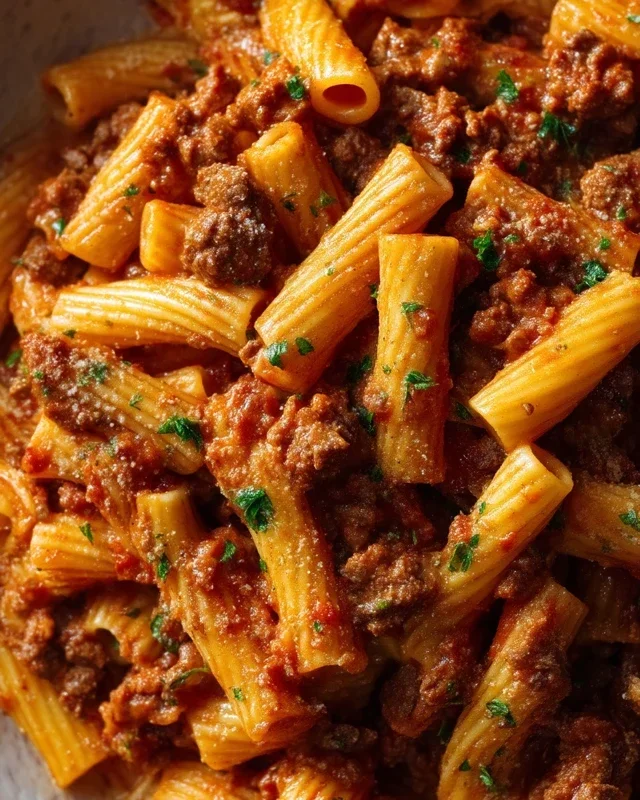
Beef Pasta in Tomato Sauce {Beef Ragu Pasta}
There’s something incredibly comforting about a hearty bowl of pasta drenched in a rich, slow-simmered beef ragu. This recipe for Beef Pasta in Tomato Sauce, also known as Beef Ragu Pasta, is a classic for a reason. It’s a dish that fills your home with an irresistible aroma as it cooks, promising a deeply satisfying meal that’s perfect for family dinners or a cozy night in. We’re going to build layers of flavor, starting with a good base and letting time work its magic to transform simple ingredients into something truly special.
This ragu isn’t a quick weeknight fix, but the effort is undeniably worth it. The slow cooking tenderizes the beef beautifully, allowing it to meld with the savory tomato sauce and aromatics. The result is a sauce that’s complex, satisfying, and clings perfectly to your favorite pasta. So, gather your ingredients, put on some good music, and let’s get cooking!
Ingredients:
Cooking Instructions:
Step 1: Building the Flavor Base
Our journey to the perfect beef ragu begin extracts with creating a robust flavor base. Heat the olive oil in a large, heavy-bottomed pot or Dutch oven over medium-high heat. Once the oil is shimmering, add the ground beef. Break it up with a spoon and cook, stirring occasionally, until it’s nicely browned all over. Don’t rush this step; browning the meat is crucial for developing deep, savory notes in the sauce. Once browned, use a slotted spoon to remove the beef and set it aside on a plate, leaving the rendered fat in the pot. This fat is packed with flavor and will be used to sauté our vegetables.
Step 2: Sautéing the Aromatics
To the same pot, add your finely chopped onion, carrots, and celery. This classic combination, known as a “soffritto,” forms the aromatic heart of many Italian sauces. Cook them over medium heat, stirring frequently, until they begin extract to soften and become translucent, which usually takes about 8-10 minutes. You want them tender, not browned or caramelized – this gentle cooking allows their natural sweetness to come through and form a smooth base. Next, add the minced garlic and cook for another minute until fragrant, being careful not to burn it, as burnt garlic can turn bitter.
Step 3: Deglazing and Simmering the Ragu
Now it’s time to add some liquid and bring our flavors together. If you’re using red grape juice, pour it into the pot. Scrape the bottom of the pot with your spoon to loosen any browned bits – this is called deglazing and it captures all that wonderful flavor left from the beef and vegetables. Let the grape juice bubble and reduce by about half, which will take a few minutes. This step intensifies the grape juice’s flavor and cooks off the harsh non-alcoholic alternative. Once the grape juice has reduced, return the browned ground beef to the pot. Stir in the crushed tomatoes and tomato sauce. Add the dried oregano, dried basil, salt, black pepper, and the bay leaf. Give everything a good stir to combine all the ingredients evenly.
Step 4: The Slow Simmer of Perfection
This is where the magic truly happens. Bring the sauce to a gentle simmer, then reduce the heat to low, cover the pot loosely (leaving a slight gap for steam to escape), and let it cook for at least 1.5 to 2 hours. The longer you simmer, the richer and more complex the flavors will become. Stir the ragu occasionally, making sure it doesn’t stick to the bottom of the pot. If the sauce becomes too thick, you can add a splash of water or beef broth to reach your desired consistency. The goal is a thick, hearty sauce where the beef is incredibly tender and the flavors have melded beautifully. Around the 1-hour mark, taste and adjust the salt and pepper if needed. Remember, the flavors will deepen as it continues to cook.
Step 5: Cooking the Pasta and Serving
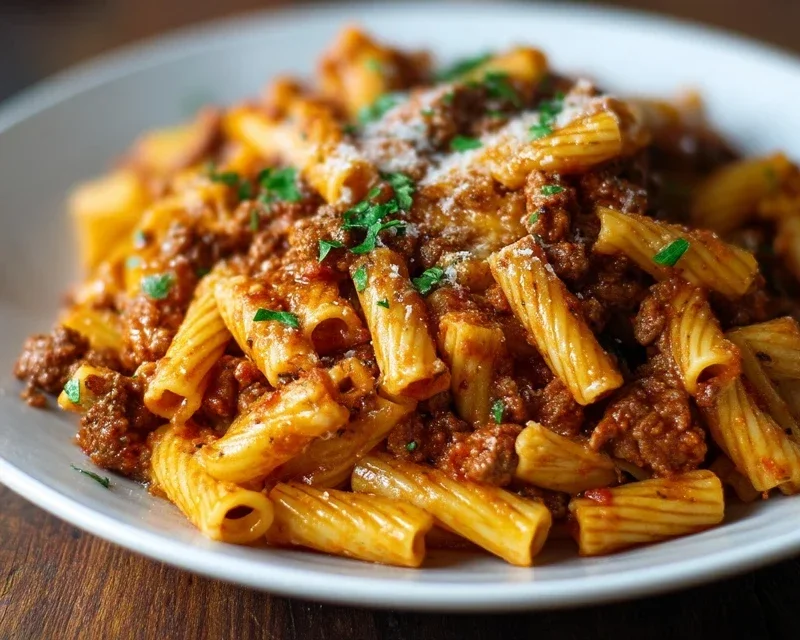
Once your ragu has had ample time to simmer and develop its incredible depth of flavor, it’s time to cook your pasta. Bring a large pot of salted water to a rolling boil. Add your pasta and cook according to the package directions until al dente – meaning it’s tender but still has a slight bite to it. While the pasta is cooking, you can remove the bay leaf from the ragu. Drain the pasta, reserving about a cup of the starchy pasta water. Add the drained pasta directly to the pot with the ragu. Toss to coat the pasta evenly with the sauce. If the sauce seems a little too thick, add a splash of the reserved pasta water; the starch in the water will help the sauce cling to the pasta and create a smoother emulsion. Serve immediately, generously topped with freshly grated Parmesan cheese. This is a dish that truly shines when served hot, so don’t delay! Enjoy every delicious bite.
Conclusion:
There you have it – a truly satisfying and comforting Beef Pasta in Tomato Sauce, a classic Beef Ragu Pasta that’s destined to become a family favorite. The slow simmering of the beef creates an incredibly rich and flavorful sauce, perfectly clingin extractg to your chosen pasta. This recipe is a winner because it’s incredibly versatile, relatively straightforward to make, and the aroma that fills your kitchen as it cooks is simply divine. It’s the kind of meal that nourishes both body and soul, perfect for a weeknight dinner or a relaxed weekend gathering.
For serving, I love to toss the cooked pasta directly into the ragu for maximum flavor infusion. A generous sprinkle of grated Parmesan cheese is non-negotiable, and a handful of fresh basil adds a burst of freshness. If you’re feeling a little more adventurous, consider serving it with a side of crusty bread for dipping into that delicious sauce, or a simple green salad to balance the richness.
Don’t be afraid to experiment with variations! You can add a splash of red grape juice to the sauce for an extra layer of depth, or incorporate finely diced vegetables like carrots and celery along with the onion for added nutrients and flavor. Ground beef or a mix of beef and beef can also be used for a different texture and taste. I truly encourage you to give this Beef Pasta in Tomato Sauce a try. I’m confident you’ll fall in love with its comforting deliciousness.
Frequently Asked Questions:
Can I make this Beef Ragu Pasta ahead of time?
Absolutely! This Beef Pasta in Tomato Sauce actually tastes even better the next day as the flavors have more time to meld together. You can make the ragu a day or two in advance and store it in the refrigerator. Simply reheat it gently on the stovetop before tossing with freshly cooked pasta.
What kind of pasta works best with this ragu?
Heartier pasta shapes that can hold onto the thick, rich sauce are ideal. Think pappardelle, tagliatelle, rigatoni, or penne. Even spaghetti works beautifully, just ensure you have plenty of sauce to coat every strand!
Can I freeze the Beef Ragu Sauce?
Yes, you can definitely freeze the Beef Ragu Sauce. Once cooled, portion it into airtight containers or freezer bags and it will keep for up to 3 months. Thaw it overnight in the refrigerator before reheating.
Beef Pasta in Tomato Sauce (Beef Ragu Pasta)
A hearty and flavorful beef ragu tossed with pasta in a rich tomato sauce. This classic Italian-American dish is perfect for a comforting family meal.
Ingredients
-
1 pound ground beef
-
1 tablespoon olive oil
-
1 large onion, chopped
-
2 cloves garlic, minced
-
1 (28 ounce) can crushed tomatoes
-
1 teaspoon dried oregano
-
1/2 teaspoon salt
-
1/4 teaspoon black pepper
-
1 pound pasta, cooked according to package directions
Instructions
-
Step 1
Heat olive oil in a large skillet over medium heat. Add ground beef and cook, breaking it up with a spoon, until browned. Drain off any excess grease. -
Step 2
Add chopped onion to the skillet and cook until softened, about 5 minutes. -
Step 3
Stir in minced garlic and cook for 1 minute more until fragrant. -
Step 4
Pour in crushed tomatoes, oregano, salt, and pepper. Bring the sauce to a simmer. -
Step 5
Reduce heat to low, cover, and simmer for at least 30 minutes, stirring occasionally, to allow flavors to meld. For a richer flavor, simmer for up to 1 hour. -
Step 6
Serve the beef ragu sauce over cooked pasta.
Important Information
Nutrition Facts (Per Serving)
It is important to consider this information as approximate and not to use it as definitive health advice.
Allergy Information
Please check ingredients for potential allergens and consult a health professional if in doubt.